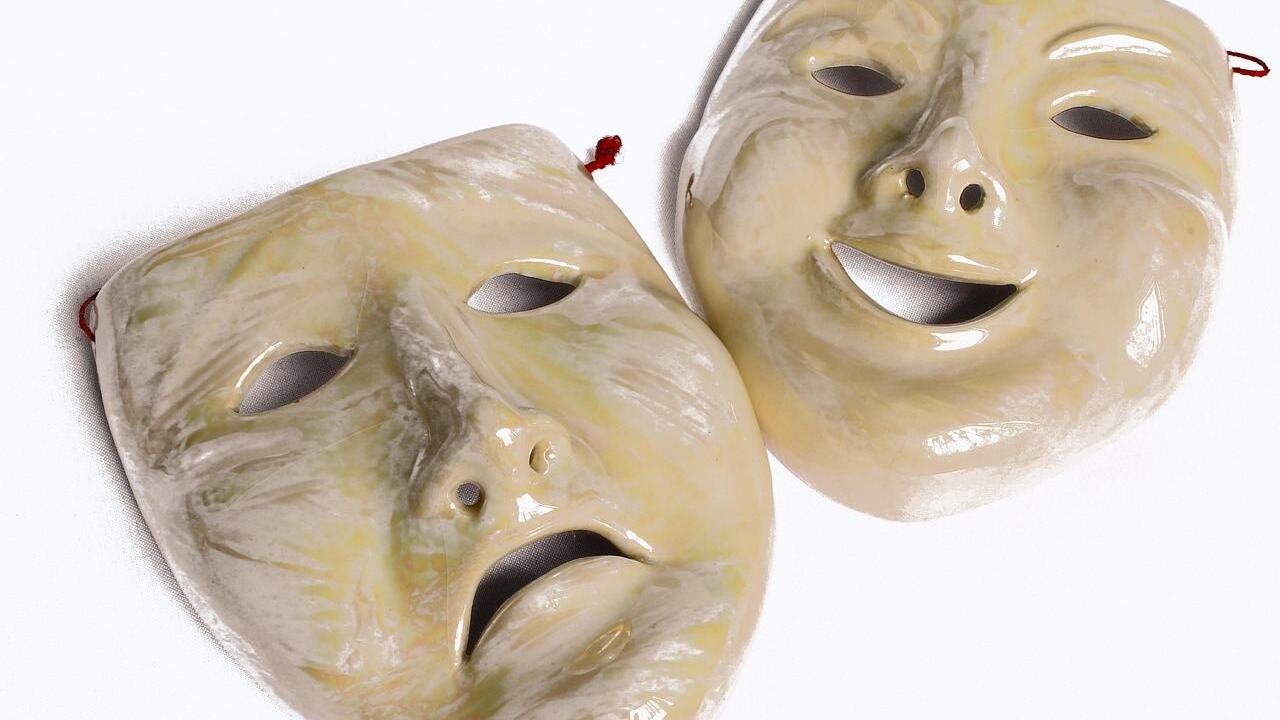
Wondering about opera seria vs opera buffa? One is “serious opera” with heroic characters, built on long showpiece arias. The other is comic opera about everyday people, driven by fast patter and lively ensembles.
| Item | Key fact |
|---|---|
| Opera seria aria form | Da capo, A-B-A form |
| Librettist who defined opera seria | Metastasio |
| Early opera buffa format | One-act intermezzi performed between acts of opera seria |
| Typical opera buffa voice type | Basso buffo, needing clear diction and patter |
| Exception to recitativo secco in opera buffa | Donizetti’s Don Pasquale, 1843 (the exception named) |
These points come from Wikipedia’s articles on opera seria and opera buffa. Details can change as articles are revised, so check the sources before you rely on them.
Both genres belong to the wider history of opera, and understanding how they pulled against each other explains a lot about the music that followed.
What is opera seria?
Opera seria is Italian for “serious opera”. Italian opera seria was produced not only in Italy but almost throughout Europe.
Its most successful librettist was Metastasio, whose work came to define the form. Its leads were cast in heroic roles. Early librettists such as Apostolo Zeno felt that virtue should be rewarded, so the tragic endings of classical drama were usually rejected in favour of a happy resolution.
The audience came for the singing. A typical evening was a sequence of solo arias, each one letting a character express a single emotion, then leave the stage.
How an opera seria is built
The musical engine was the da capo aria, which has an A-B-A shape: a main section, a contrasting middle, then a return of the first part, usually decorated by the singer. Recitative carried the plot between arias.
- Recitative was typically secco, accompanied only by continuo such as harpsichord and cello.
- At moments of violent passion, secco gave way to stromentato recitative, with the full strings accompanying.
- Arias were scored for strings and continuo, often with oboes, bassoons and horns.
- A typical work opened with a three-movement Italian overture, often called a sinfonia.
Star voices mattered, too. The age of opera seria coincided with the rise of the castrati, singers who had undergone castration before puberty to keep a high, powerful voice. Typically only one tenor or bass voice was given a major patriarchal or monarchical role.
The fixed pattern invited tinkering. Metastasio’s La clemenza di Tito was set by Caldara in 1723 for an alto castrato, then by Gluck in 1752 and Mozart in 1791, both for tenors.
What is opera buffa?
Opera buffa is comic opera, associated above all with Naples in the first half of the 18th century. From there it spread to Rome and northern Italy.
It began with everyday settings, local dialects and simple vocal writing. High-flown language was avoided, and the stock characters often came from commedia dell’arte. Instead of gods and emperors, you meet scheming servants, jealous guardians and young lovers.
Its roots lie in the intermezzo. In the early 18th century, comic operas often appeared as short, one-act interludes performed between the acts of an opera seria, a kind of comic relief inside a serious evening.
Where the comic tradition grew
Nicola Sabini’s 1701 scherzo drammatico Il mondo abbattuto was influential in Naples, partly through its mix of Tuscan and Neapolitan dialects. Pergolesi’s Lo frate ‘nnamorato (1732) and Il Flaminio (1735) are examples of the three-act commedia per musica.
Other early major names were Alessandro Scarlatti (Il trionfo dell’onore, 1718), Nicola Logroscino (Il governatore, 1747) and Baldassare Galuppi (Il filosofo di campagna, 1754).
A common mix-up involves Pergolesi’s La serva padrona. It is an intermezzo, not an opera buffa, yet it sparked the querelle des bouffons in Paris as an adaptation without sung recitatives.
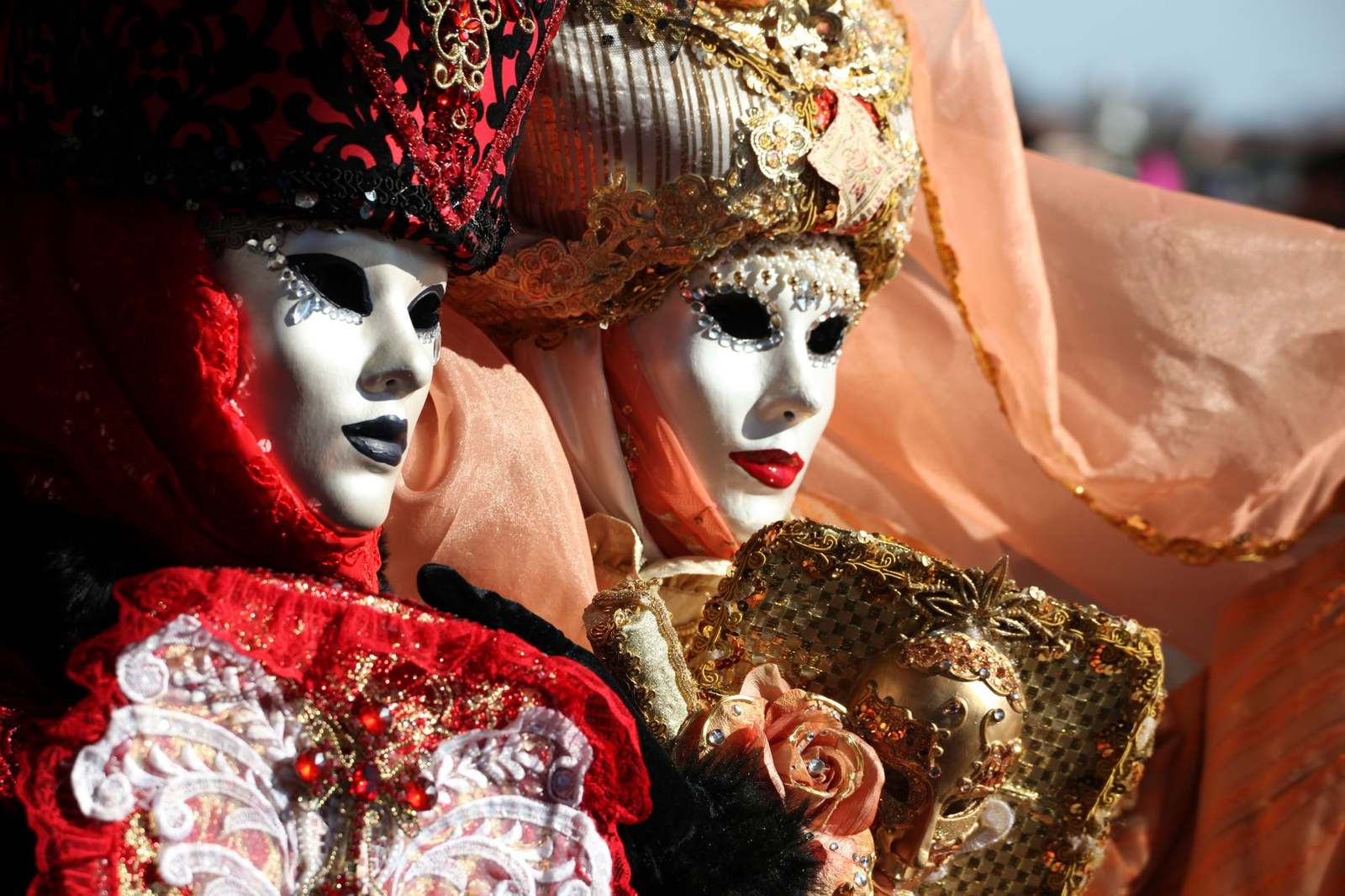
Opera seria vs opera buffa: the main differences
- Subject: heroic, noble characters versus everyday people and stock comic types.
- Language: formal, elevated verse versus plain speech, often in local dialect.
- Voices: castrati and virtuoso soloists versus the basso buffo, valued for clear diction and patter.
- Structure: long da capo arias versus freer, less extended forms.
- Tone: noble and decorous versus quick, funny and human.
In buffa the set numbers were linked by recitativo secco. The exception was Donizetti’s Don Pasquale in 1843. With Rossini, a standard cast of four is reached: a soubrette soprano or mezzo, a light amorous tenor, a lyrical baritone, and a basso buffo. Leporello in Mozart’s Don Giovanni is a well-known basso buffo role.
How to tell them apart when listening
If you are new to the repertoire, a few clues help. They are rules of thumb rather than laws, because composers mixed the styles freely.
- Listen to the opening. A serious work often begins with a three-movement Italian overture, though comic works borrowed the habit too.
- Follow the rhythm of the words. Rapid, tongue-twisting patter points to a basso buffo and therefore to comedy.
- Notice who sings. A heroic lead in a high voice, written for a castrato, signals opera seria. A cast of servants, guardians and lovers suggests buffa.
- Check how arias end. A return to the opening melody, decorated by the singer, is the da capo pattern of seria.
Modern productions complicate this. Seria roles once sung by castrati are now taken by other voice types, so the sound you hear may differ from what the original audience heard.
Comedy is not limited to buffa either. Sources describe the comic intermezzo as a pressure valve inside a long serious evening, which shows how audiences expected both moods in a single night at the theatre.
A practical tip: read the plot summary first, then listen for the contrast between recitative and aria. In seria the action pauses for each aria. In buffa the action often keeps moving through duets and ensembles, so the comedy builds from scene to scene instead of stopping for applause.
How the two genres met and changed
The genres were never sealed off from each other. Comic intermezzi sat inside serious operas, and composers wrote for both. Many composers of opera seria are named in Wikipedia’s list, including Handel, Hasse, Vivaldi, Pergolesi and, later, Gluck.
The ornate vocal style that seria encouraged also leads naturally into the topic of what is bel canto.
Opera buffa’s lively ensembles and natural characters pointed toward Mozart’s Da Ponte comedies and the works of Rossini and Donizetti. Much later, the epic scale of wagner ring cycle explained shows how far opera’s ambitions travelled from both.
Frequently asked questions
Is opera seria always tragic?
Show answer
No. Early librettists such as Apostolo Zeno felt virtue should be rewarded, so tragic classical endings were rejected and the plots usually resolved happily.
Is La serva padrona an opera buffa?
Show answer
Strictly it is an intermezzo, not an opera buffa, although it was hugely influential and sparked the querelle des bouffons in Paris.
Who wrote the libretti for opera seria?
Show answer
Many poets did, but Metastasio was by far the most successful, and his work came to define the form.
What is a basso buffo?
Show answer
It is the characteristic comic bass of opera buffa. The role needs clear articulation and the ability to patter, as with Leporello in Don Giovanni.