You may have heard “bel canto” at the opera and wondered what it means. So, what is bel canto? It is Italian for “beautiful singing”, and it names a smooth, agile, ornamented style of Italian vocal music.
| Item | Value |
|---|---|
| Literal meaning | Italian for “beautiful singing” / “beautiful song” |
| Core composers | Rossini, Bellini and Donizetti |
| Last important castrato opera role | Written in 1824 by Meyerbeer |
| Singing began to change | Around 1830 |
| Style faded in Italy | Mid-19th century |
| Postwar revival singers | Callas, Sutherland, Gencer, Caballé, Sills and Horne |
These figures come from Wikipedia’s “Bel canto” article. They can change as the article is revised, so check the page before you rely on them.
What is bel canto? The meaning of the term
The phrase is vague, and it has been for a long time. Wikipedia notes that the term “remains vague and ambiguous in the 21st century and is often used to evoke a lost singing tradition.”
It is usually tied to Italian opera of the late 18th and early 19th centuries. The same article lists “beauty and evenness of tone, legato phrasing, and skill in executing highly florid passages” as the qualities later writers associated with it, while adding that period documents describe a wider manner of performance.
So you can treat the label in two ways. It can mean a way of singing, or it can mean the repertoire written for that way of singing.
The sound: what singers are asked to do
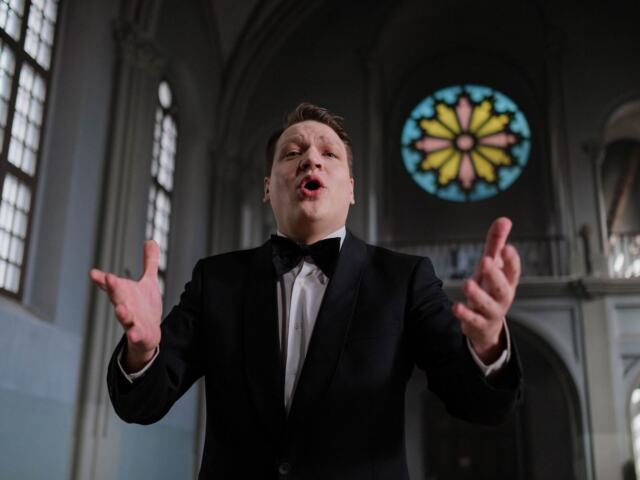
Teachers of the style aimed to give pupils “purity of tone, perfection of legato, phrasing informed by eloquent portamento, and exquisitely turned ornaments”. In practice, that means:
- a smooth, connected line (legato);
- an even, pure tone across the range;
- agile, decorated passages (coloratura);
- sliding between notes with expressive portamento.
Training was gradual. Pupils began with exercises on single notes and moved on to scales and improvised embellishments. The creative ornamentation for cadenzas came towards the end of that process.
For a listener, the practical point is that the voice is meant to sound easy. The difficulty is hidden behind a steady line, and the decoration is part of the expression rather than an interruption of it.
Roots in the castrato era
The style grew out of the baroque tradition, and many of its teachers were castrati. Singer and author John Potter argues that for much of the 18th century castrati defined the art of singing. You can read more about them in our guide to castrato singers.
The last important opera role for a castrato was written in 1824 by Giacomo Meyerbeer. The serious style of that period also sits behind the contrast covered in opera seria vs opera buffa, since Rossini’s best-known comedy sits on the buffa side of that line.
Landmark works by Rossini, Bellini and Donizetti
Rossini, Bellini and Donizetti define the era, and the works below show why their names are attached to it.
The same page says the style of singing “had started to change” by the time of Bellini and Donizetti. Michael Balfe wrote of the new method of teaching that was required for the music of Bellini and Donizetti, so their operas were in effect the vehicles for a new era of singing. That shift is part of why the phrase “bel canto” can mean slightly different things in different books.
Wikipedia says some of the world’s most frequently performed operas, such as Rossini’s The Barber of Seville and Donizetti’s Lucia di Lammermoor, are from the bel canto era. The list below is a good place to start.
- The Barber of Seville (Rossini): its Wikipedia entry gives the premiere as 20 February 1816 at the Teatro Argentina, Rome. The libretto by Cesare Sterbini was based on Pierre Beaumarchais’s French comedy of 1775.
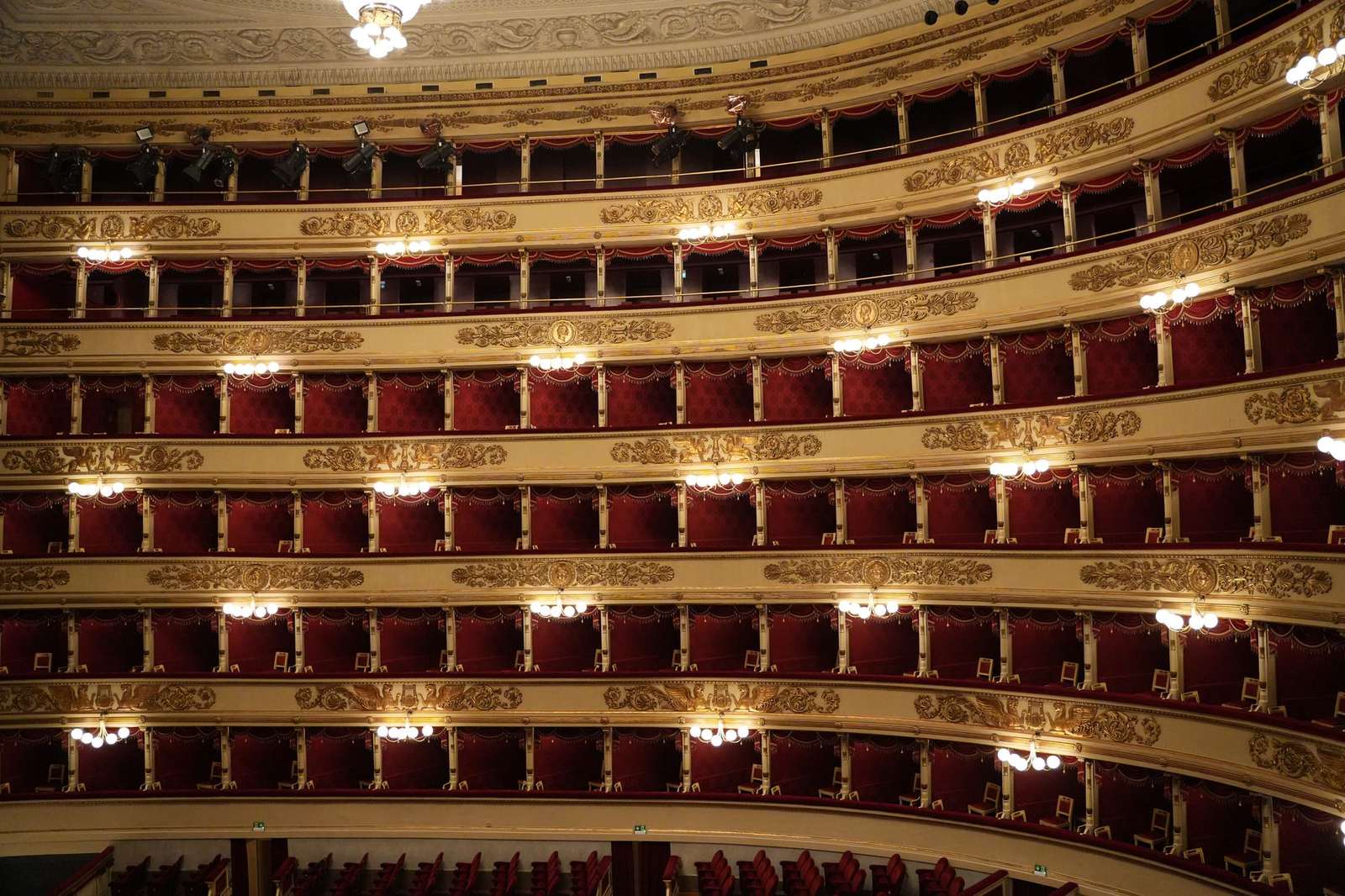
- Norma (Bellini): per its Wikipedia entry, it was first produced at La Scala in Milan on 26 December 1831. The same entry calls it a leading example of the genre and names the soprano prayer “Casta diva” as a famous piece.
- Lucia di Lammermoor (Donizetti): per its Wikipedia entry, it premiered on 26 September 1835 at the Teatro di San Carlo in Naples. Salvadore Cammarano’s libretto was loosely based on Walter Scott’s 1819 novel The Bride of Lammermoor.
The Norma entry adds that Giuditta Pasta created the title role, after she had shown her vocal and dramatic ranges as Amina in Bellini’s La sonnambula, staged in March 1831. Lucia’s mad scene has historically been a vehicle for coloratura sopranos, and the entry says it gave Dame Joan Sutherland a breakthrough.
Why the label is contested
Writers have used the words for quite different things. According to Wikipedia, German musicology in the early 20th century used the term for the simple lyricism of Venetian opera and the Roman cantata during the 1630s and ’40s.
Others stretch it backwards and forwards. The same article says that, since the style flourished in the 18th and early 19th centuries, the music of Handel and his contemporaries, as well as that of Mozart and Rossini, benefits from an application of bel canto principles.
There is also a nostalgic use. In 1887 Franz Sieber introduced a Berlin collection of Italian songs titled Il bel canto by complaining about “the most offensive shrieking under the extenuating device of ‘dramatic singing’”. For many writers of that period, the term meant a lost ideal rather than a precise technique.
Decline and revival
The popularity of the style “as espoused by Rossini, Donizetti and Bellini faded in Italy during the mid-19th century.” It had flourished for generations, yet it gave way within a few decades to different vocal demands.
The phrase “bel canto” was not commonly used until the latter part of the 19th century. It was then set against the heavier, speech-inflected singing associated with Richard Wagner. Wagner himself decried the Italian model as concerned merely with “whether that G or A will come out roundly”.
Verdi’s works also called for a heavier, more ardent, less embroidered approach. Tenors began to deliver the high C directly from the chest rather than using a head voice or falsetto.
After World War II, conductors and a new generation of singers brought the repertoire back. Wikipedia names Maria Callas, Joan Sutherland, Leyla Gencer, Montserrat Caballé, Beverly Sills and Marilyn Horne. If you want the wider story, start with our history of opera.
Frequently asked questions
What does bel canto literally mean?
Show answer
It is Italian for “beautiful singing” or “beautiful song”.
Which composers are most linked to bel canto?
Show answer
Rossini, Donizetti and Bellini are the three named most often in the sources used here.
Is bel canto a singing technique or a repertoire?
Show answer
It is both, and the term is loosely defined. It can mean a manner of singing, or the Italian operas of the early 19th century written for it.
Why did the style decline?
Show answer
Its popularity faded in Italy in the mid-19th century. Verdi’s dramatic works favoured a heavier approach, and Wagner’s music dramas pulled singing further that way.
Which bel canto opera should a beginner hear first?
Show answer
Any of the three works above is a fair start. The Barber of Seville is a comedy, while Norma and Lucia di Lammermoor are serious dramas.