Wondering how the orchestra’s grandest form grew up? The history of the symphony from Haydn to Mahler is a story of growth: a compact court piece became a vast public statement.
| Milestone | Key fact |
|---|---|
| Haydn’s “London” symphony | Last of twelve symphonies written for two London concert series |
| Beethoven’s Ninth premiere | May 7, 1824, Kärntnerthor Theater, Vienna |
| Beethoven’s Ninth innovation | Unprecedented introduction of voices into a symphony |
| Mahler’s Eighth premiere | September 12, 1910, Munich |
These figures come from the Boston Symphony Orchestra’s Beethoven note and the American Symphony Orchestra’s Mahler note. Details such as performer counts can change between accounts, so check the source before you rely on them.
What a symphony was before Haydn’s late works
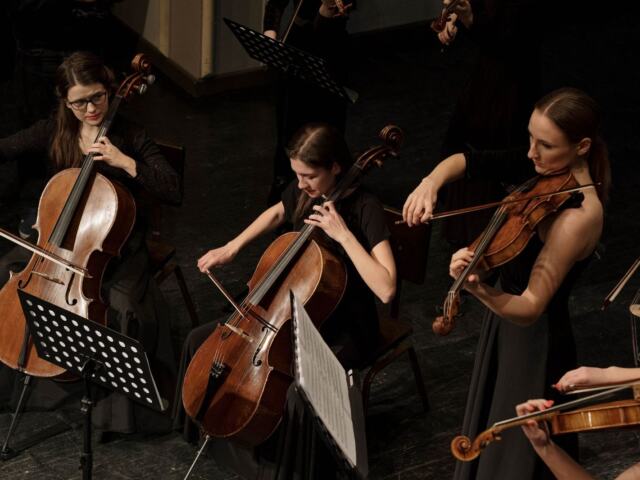
A symphony began as a piece for an orchestra, usually in several contrasting movements. In the eighteenth century it was often written to open a concert or entertain a court. Composers wrote them quickly, for a known group of players and a known patron.
Joseph Haydn spent much of his career in that world, in the service of the Esterházy family. Working with a resident orchestra let him test ideas again and again. Over time he made the symphony a serious, balanced form in which each movement had its own role.
That steady testing is why people often call him the father of the symphony. The title is a convenience, but it points to something real. He gave later composers a form flexible enough to carry far more weight.
Haydn and the London symphonies
Haydn’s final symphonies were written for audiences outside the court. According to a Burgess Hill Symphony Orchestra programme note, the D major work was the last of the twelve symphonies composed for the two London concert series, and it is the one that eventually became known as the “London”. The same note says it was first performed in the early summer of 1795.
These London works were written for a paying public, not a single patron. They have memorable tunes, surprises and clear structures that a general audience could follow. Several carry nicknames, such as the “Surprise” with its sudden loud chord in a quiet movement.
Here is what the mature Haydn symphony typically offers:
- A slow introduction that builds anticipation before the main allegro.
- A first movement that develops short musical ideas rather than just repeating them.
- A slow movement that gives the orchestra a lyrical voice.
- A dance-like minuet, then a lively finale that often wraps things up with wit.
Mozart and the widening of the form
Mozart sits between Haydn and Beethoven in most accounts of the story. His late symphonies show how much drama and counterpoint the form could hold without losing elegance. Woodwinds became fuller partners with the strings, and the orchestra gained a richer palette.
Haydn and Mozart together fixed the basic expectations of the genre. Listeners came to expect a serious opening movement, a contrasting slow movement and a brisk close. Beethoven inherited those expectations and decided to stretch them.
If you want to see how this period sits beside its neighbours, the guide to classical music periods places the symphony within the wider timeline.
Beethoven: from private drama to public statement
Beethoven’s symphonies made the form personal. Themes grew out of tiny motifs, and the emotional stakes rose. A symphony could now argue, struggle and arrive somewhere, which many listeners felt as a kind of story without words.
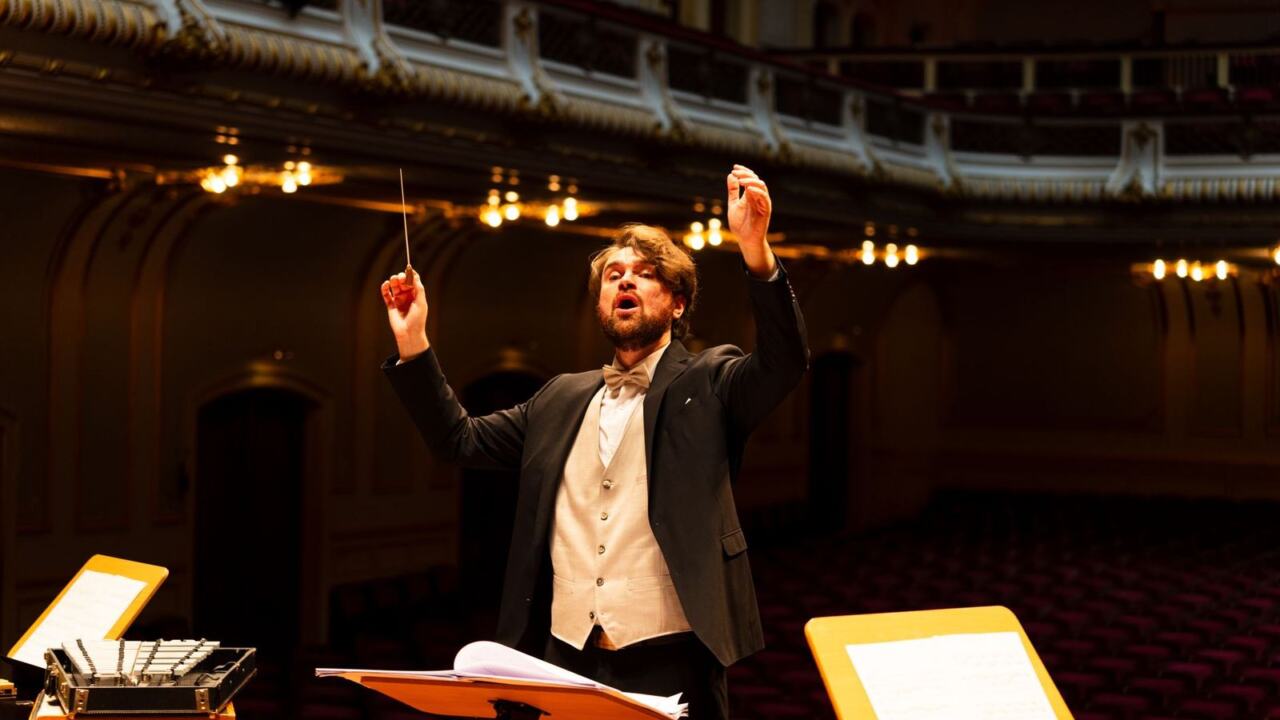
The Ninth is the clearest break with the past. The Boston Symphony Orchestra’s note describes the unprecedented introduction of voices into a symphony, singing Schiller’s “Ode to Joy”. It adds that the premiere took place on May 7, 1824, in Vienna, with the deaf composer on stage beating time while Michael Umlauf conducted.
The same note says Beethoven composed the work between 1822 and 1824. It also says the mystical opening would be echoed time and again by later composers, naming Brahms, Bruckner and Mahler.
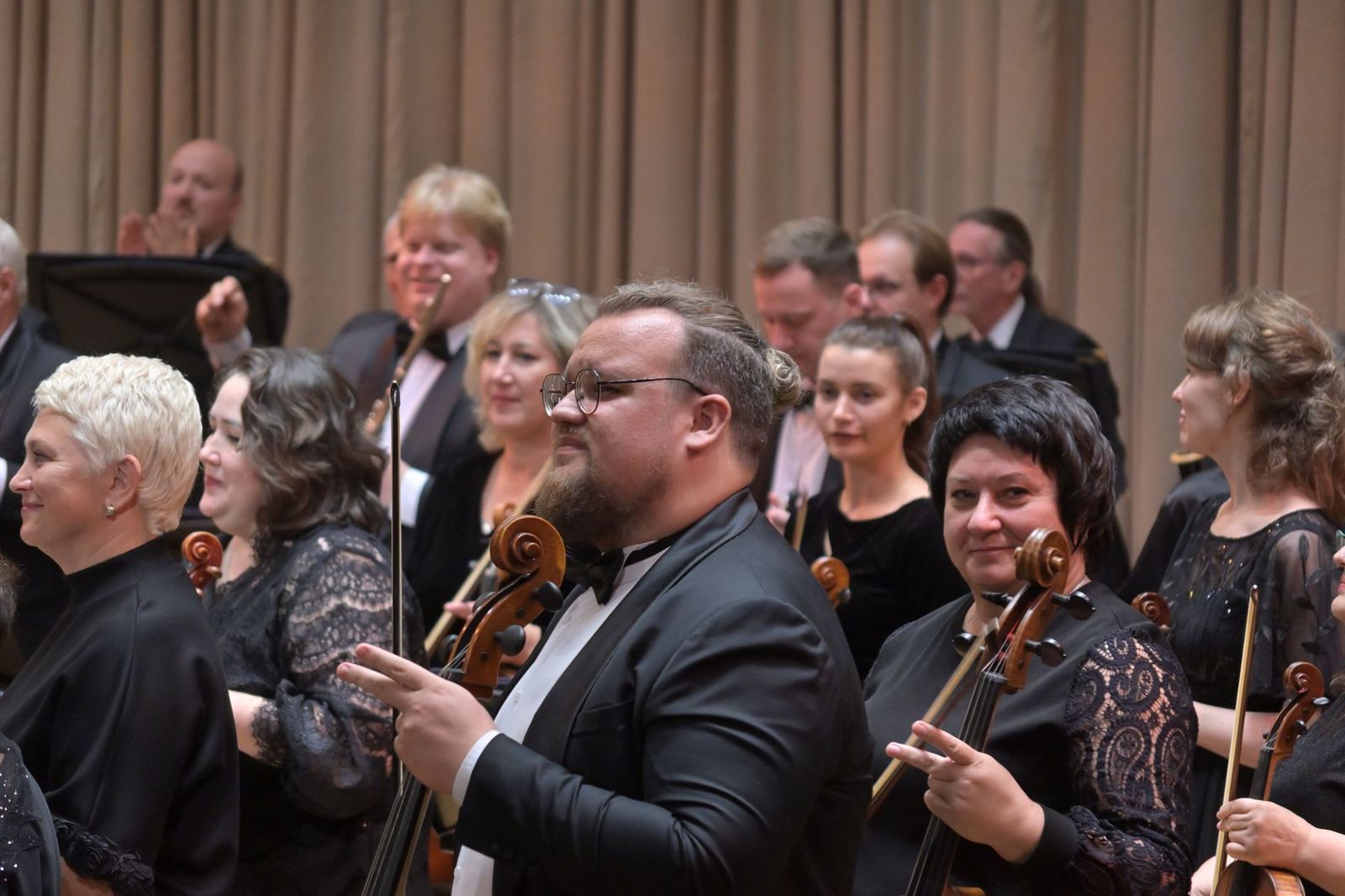
After the Ninth, the question for every symphonist changed. A composer could no longer simply write another well-made orchestral piece. Each new work had to decide how it related to Beethoven’s example.
The Romantic road to Mahler
The nineteenth century answered in different ways. Some composers kept the classical architecture and filled it with more colour and feeling. Others tied the symphony to stories, landscapes or poems.
For a closer look at how the language of music changed across that divide, see this comparison of classical vs romantic music. Orchestras also grew as instruments improved and halls got bigger, a change that parallels the story told in the history of the piano.
By the end of the century, symphonies could last far longer than Haydn’s and ask for much bigger forces. That trend leads directly to Mahler.
Mahler and the symphony as a world
Mahler treated the symphony as a way to contain everything: folk tunes, marches, song and philosophy. His Eighth shows the idea at its largest. The American Symphony Orchestra’s note says the work was premiered on September 12, 1910, at Munich’s New Music Festival Hall, arranged by the impresario Emil Gutmann.
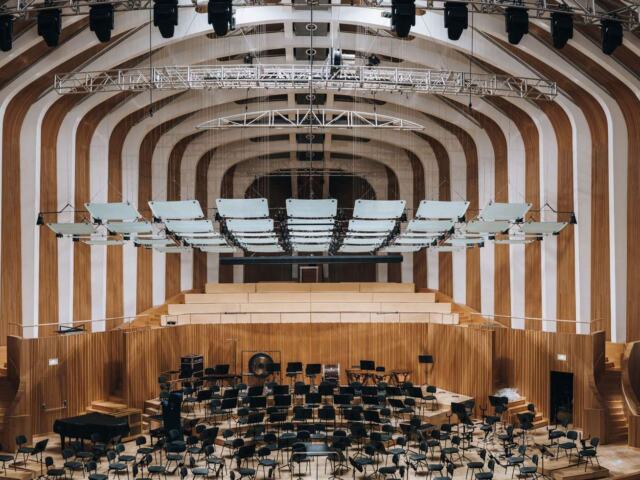
The distance from Haydn is striking. A London orchestra of Haydn’s day filled one theatre stage, while Mahler’s Eighth needed a festival hall and a chorus. Yet the Eighth still uses the same long-standing idea: contrasting ideas developed over a large span of time.
What stayed the same, and what changed
Across this period, several things shifted in a steady direction:
- Scale: pieces and ensembles grew larger.
- Audience: the symphony moved from the court to the public concert hall.
- Expression: composers aimed for personal and philosophical statements, not only elegant design.
- Sound: voices and a wider range of instruments entered the orchestra.
What stayed was the contract with the listener. A symphony still asks you to follow ideas as they change and return, and to feel that the ending has been earned.
Frequently asked questions
Who wrote the first symphonies?
Show answer
The form developed gradually in the eighteenth century, so no single composer wrote the first one. Haydn is the figure most often credited with shaping it into a major genre.
Why is Beethoven’s Ninth so important?
Show answer
Its finale was the unprecedented introduction of voices into a symphony, according to the Boston Symphony Orchestra’s note. Its premiere was on May 7, 1824, in Vienna.
Why is Mahler’s Eighth called the Symphony of a Thousand?
Show answer
The name came from the impresario Emil Gutmann, because of the huge forces at the premiere on September 12, 1910.
Did Haydn write a symphony called the London?
Show answer
Yes. It is the last of the twelve symphonies written for the two London concert series, and it was first performed in the early summer of 1795.