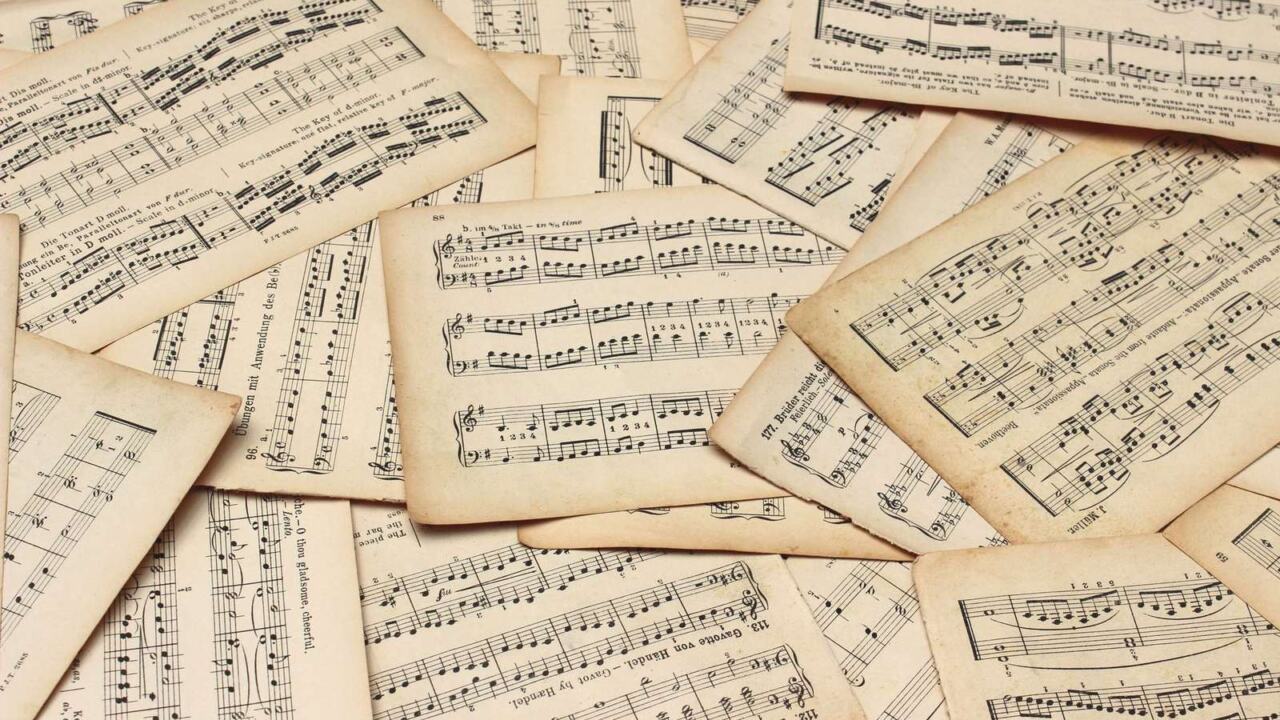
Found a stack of old scores and wondering what they fetch? Antique sheet music value depends mostly on demand, condition, edition and cover. Most pieces sell for modest sums; a few rare ones reach six figures.
This guide belongs to our wider look at antique music collectibles.
| Item | Value |
|---|---|
| Typical auction sale range | $10 to $100, perhaps $1,000 or more for really important items |
| Star Spangled Banner first edition, Christie’s 2010 | $506,000 with buyer’s premium |
| Early edition showing the flag | $35,000 with buyer’s premium |
| Share of surviving 1800’s sheet music that is or was bound | Perhaps as much as 95% or more |
| Effect of condition | Can have a dramatic effect on price |
Figures come from a specialist dealer’s FAQ at First Epoch. Prices can change, so check the source before you rely on them.
Demand comes before age
Age alone does not make a score valuable. One specialist dealer puts it bluntly: much that is old and scarce, or downright rare, also has zero demand and therefore no significant worth.
Collectors of historic American sheet music, the same dealer explains, are largely interested in social and cultural history rather than melody. A beautiful tune may please a musician but not move the market.
That is why a piece that tells no story of significance may find few buyers. A piece connected to a war, a famous performer or a notable event is a different matter.
Condition and completeness
The same dealer states that condition always matters and can have a dramatic effect on price. For paper that is a century or more old, that means checking several things before you list or insure anything.
- Tears, stains, foxing and brittle edges.
- Missing pages or a missing cover.
- Pencil markings, stamps or library labels.
- Signs of repair, such as tape.
Always confirm you hold a period printing and not a modern reproduction, since condition and originality are judged together.
Why binding matters for older scores
The dealer estimates that perhaps as much as 95% or more of the sheet music that survives from the 1800’s is bound, or was once, before being separated from a bound volume.
These volumes, called sammelbands or grangerized bindings, were put together by an individual or family and bound for preservation. Fine, never-bound music is clearly more desirable, though the dealer says a separate higher-priced market for it has never really been created.
So a bound or once-bound item is normal, not a defect. Judge it against other bound copies rather than against rare unbound survivors.
Edition, rarity and famous composers
The first published edition of an important work sits at the top of the market.
In 2010 Christie’s in New York sold what is believed to be the last copy in private hands of the first published edition of the sheet music for The Star Spangled Banner. It made $506,000 with buyer’s premium included.
Another early edition of the anthem, the first to show the flag, has since sold for $35,000 with buyer’s premium. Those are exceptional results, not a guide to a box of parlour songs.
Opera and classical editions follow the same logic of demand: a score tied to a story collectors care about will find more buyers than a forgotten title.
Cover art and related collecting
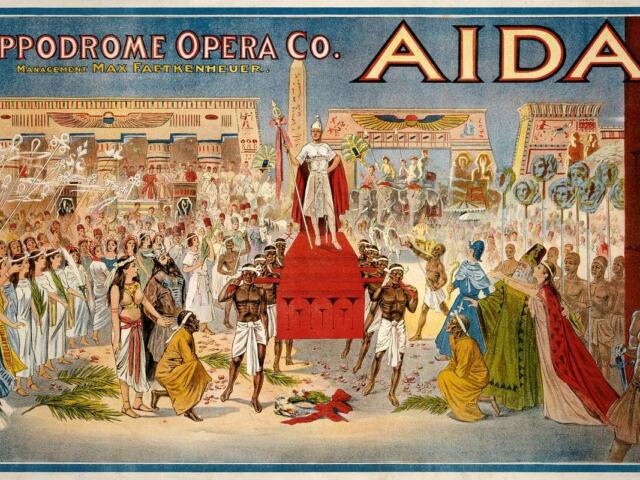
For many collectors the story a piece tells is the draw, and a striking cover often carries that story. Stage imagery and portraits make a piece easier to place in its time.
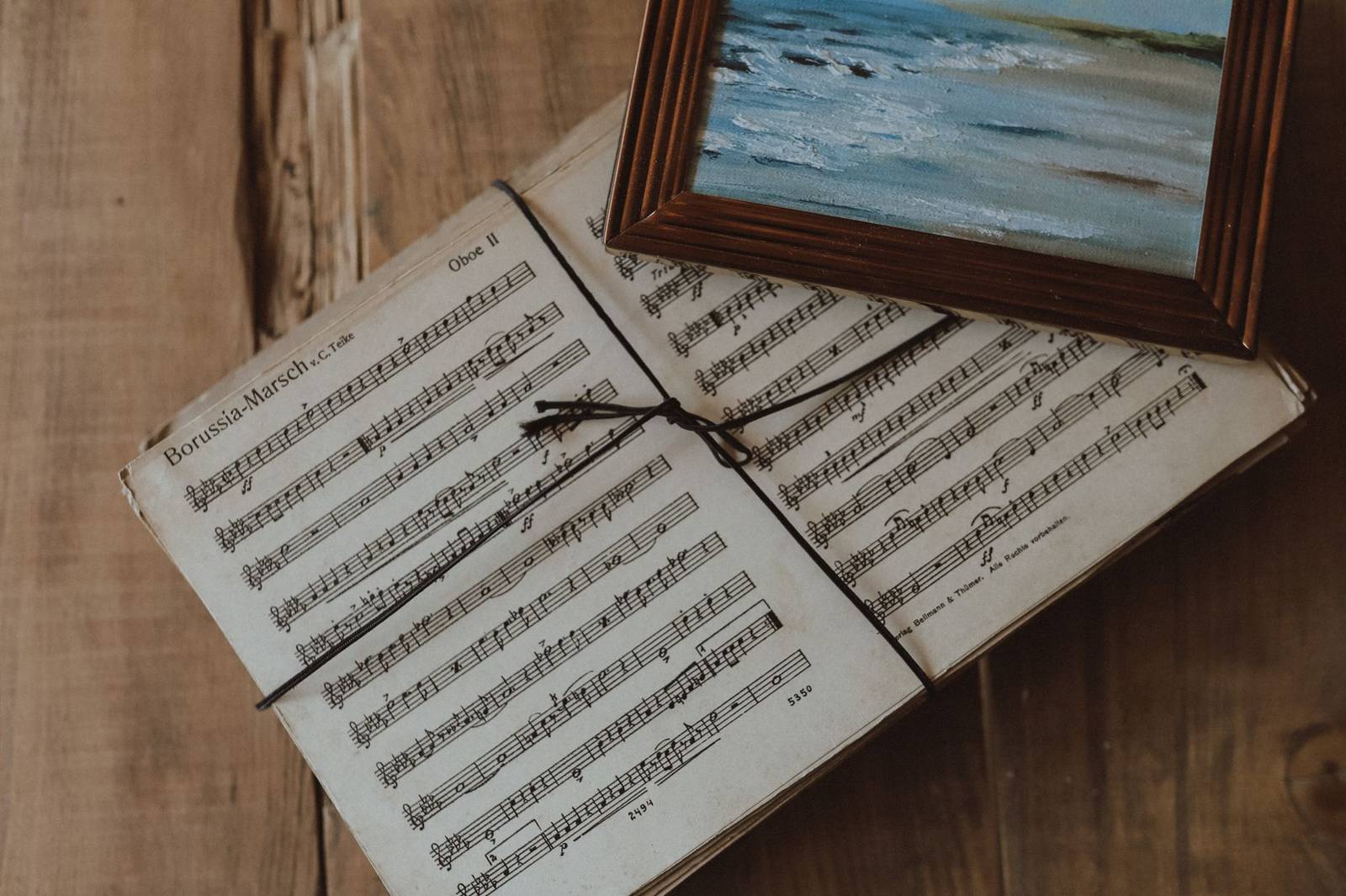
Stage imagery links this field to other opera memorabilia. If posters appeal to you as well, see our notes on vintage opera posters collecting. Players who also own instruments may want to learn how to identify an old violin in the same careful way.
Realistic expectations when checking prices
According to the dealer, most sheet music sales on national auction sites run from $10 to $100, up to perhaps $1,000 or more for really important items. The best evidence is what comparable copies actually sold for, not asking prices.
- Identify the title, publisher and edition.
- Record condition honestly, including defects.
- Search sold listings and auction records for the same edition.
- Consider a specialist opinion for anything that looks early or important.
Where, when and how an item is sold also affects results. The dealer notes that the seller, the timing and the quality of the description and images all play a part.
Common mistakes when sizing up a collection
The biggest error is assuming that one headline sale applies to your own pieces. A record price for a unique first edition says almost nothing about a common later printing of the same song.
A second mistake is valuing the music by its musical quality. The dealer’s point is that a lovely melody may matter to a performer yet leave a collector cold, because the collecting field is about history and culture.
A third is ignoring how the sale is run. The dealer lists the seller, the timing and the way an item is described and photographed as all affecting the outcome.
- Do not clean, press or repair paper yourself before getting advice.
- Keep related pieces together if they came as a family volume.
- Photograph covers, title pages and any defects in good light.
- Note where the items came from, since family history can help a buyer.
Keeping and storing what you have
Paper from the nineteenth century is fragile, so handle it with clean, dry hands and keep it flat. Store it away from damp, direct sunlight and heat, which speed up the damage that lowers price.
If you decide to keep a bound volume intact, you also keep the context that a family or owner built for it. That context can be part of the interest, even when the market treats bound music as ordinary.
Whatever you decide, treat any single price as a snapshot. Market interest moves, so recheck recent sales before you sell, insure or donate.
Frequently asked questions
Is old sheet music worth money?
Show answer
Sometimes, but most pieces sell for modest sums. The dealer cited above puts typical auction sales at $10 to $100.
Does a rare piece always sell for more?
Show answer
No. Rarity without demand is worth little, the same dealer says, just as excellent condition without demand does not help.
Does condition matter for nineteenth-century music?
Show answer
Yes. The dealer’s answer is that condition always matters and can strongly affect price.
Is bound music less valuable?
Show answer
Not necessarily. Most surviving nineteenth-century music was bound at some point, so it is common in the market.