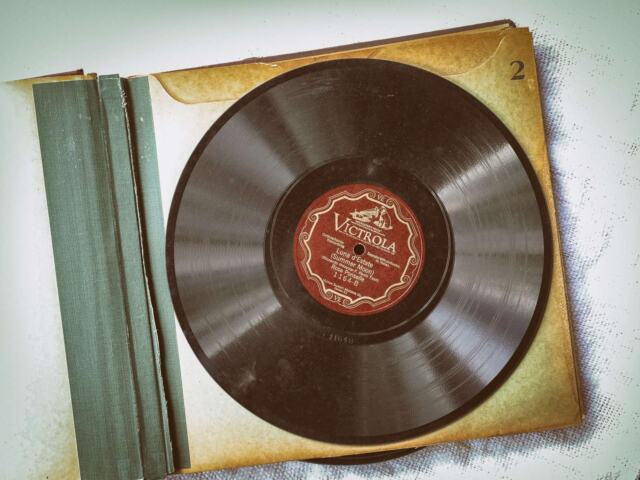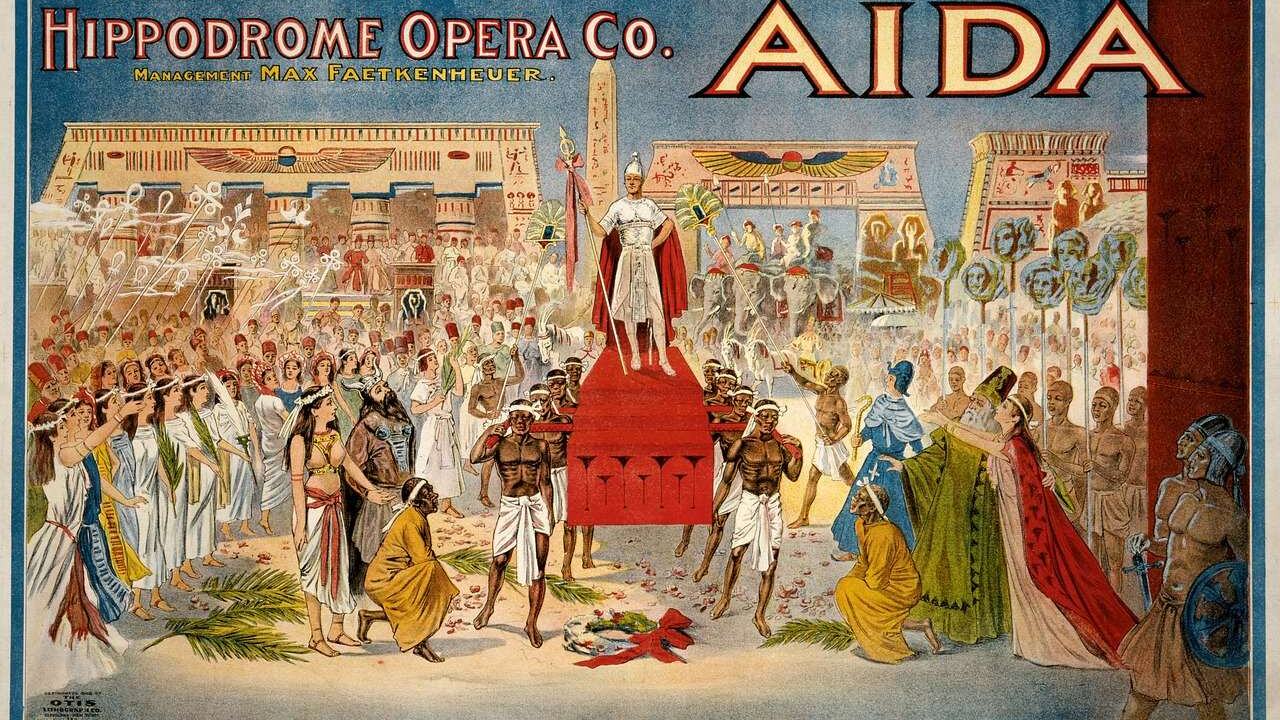
Starting out with vintage opera posters collecting can feel daunting when so many prints look alike. Focus on original lithographs, honest condition and clear provenance, and treat reproductions with suspicion.
This guide sits within our wider look at antique music collectibles.
| Item | Key fact |
|---|---|
| Poster pioneer | Jules Chéret, known as the father of the modern poster |
| First major opera-related commission | Offenbach’s Orpheus in the Underworld, 1858 |
| How lithographs are made | Greasy or waxy crayon drawn on a smooth limestone surface |
| Early colour printing | Largely monochromatic well into the 1860s |
| Preferred US mounting | Linen backing, per Swann Galleries |
| Reproduction warning | May carry a more recent printing date or publisher |
These figures come from the Driehaus Museum and Swann Galleries. Check the sources before you rely on them, as details can change.
Why opera posters are collectable
Opera houses needed to advertise new productions, and the poster grew into an art form alongside them. The Driehaus Museum notes that Chéret is “widely known as the father of the modern poster”.
His early work was tied to the stage. The museum says his “first major poster commission was this one for Jacques Offenbach for his 1858 production of “Orpheus in the Underworld.”
That link between printmaking and performance is what draws many collectors. A poster records a production, a house and a graphic style in one object.
It also helps to remember what a poster was for. The museum describes the broadside tradition as “an ephemeral form-easily printed, distributed for quick impact, read for the information they contained, and then tossed away.”
Posters were meant to be thrown away, so survivors in good order are worth some patience to find. Opera and theatre advertising is a small corner of that larger poster world, which makes it a rewarding niche.
The Paris background
The museum lists several reasons the French poster boomed. It cites “the rise of the middle class in Paris with more expendable income for collecting” and “advances in technology that allowed for larger and more complex poster designs”.
It also mentions “a city redesign that included street furniture designed specifically for posters”. Together these factors created the audience, the printers and the display space that made the poster a collectable object.
For a collector this context is practical. Knowing the period helps you judge whether a sheet’s style, printing and paper fit the date it claims.
Understanding the lithograph
Most early posters were lithographs. As the museum explains, “you take a greasy or waxy crayon and draw images or words onto a large, smooth limestone surface.” It then says you “douse the surface of the stone in water and roll it with ink.”
The process rests on a simple idea. The museum says it is easy to follow “if you keep in mind that oil and water don’t mix.”
Colour was harder. The same source says the stones were incredibly heavy, so lithographs “remained pretty much monochromatic well into the 1860s”.
A practical result is that a colourful poster is often the product of several stones, one for each colour. That is part of why fine examples are admired as craft as well as advertising.
Spotting reproductions
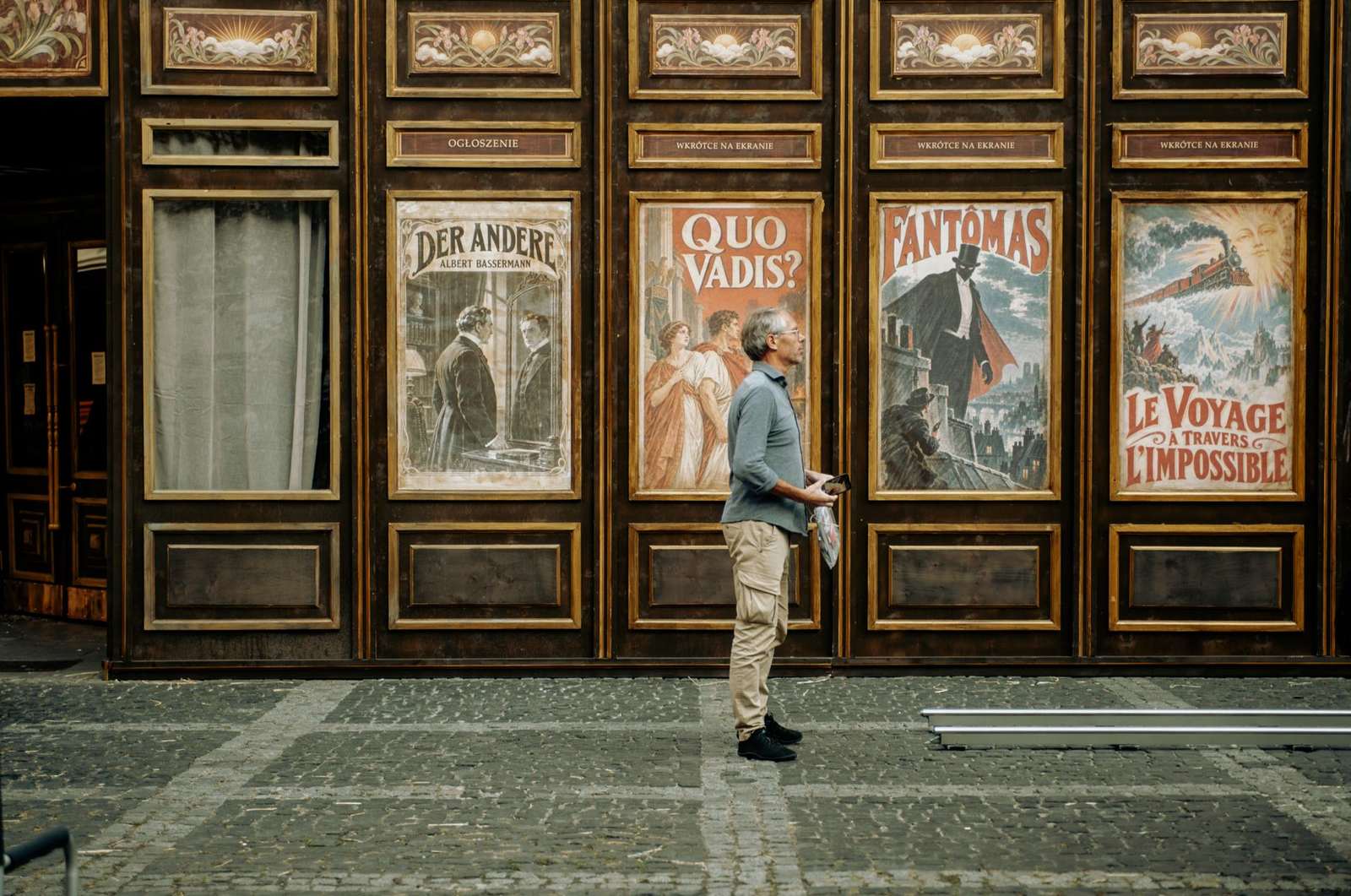
Later copies are common, and they are not always labelled clearly. Swann Galleries says that “it is not unusual for a reproduction of a poster to have a more recent printing date, publisher or even “Reproduction” printed in the lower margin.”
The same guide offers simple checks. It says “original lithographic posters will not look pixelated under a loupe or magnifying glass.”
Paper is another clue. Swann says that for a poster from around the turn of the century, “the paper should have a texture reminiscent of newsprint”, and that “if it feels or looks like the paper from a glossy magazine, it is a more recent print.”
Before you buy, run through this list:
- Read the printer’s and publisher’s names in the margins.
- Look for any printing date later than the production.
- Examine the image under a loupe for a dot pattern or pixels.
- For a poster claiming to date from around the turn of the century, feel the paper: newsprint-like rather than glossy.
- Ask the seller to state the poster’s history in writing.
Swann admits that authenticity “is not always easy to do”. Treat these checks as a first assessment, and compare with known originals in museum or auction catalogues.
Margins and trimming
Swann explains that “around the edge of most posters is the margin”, and that “the margin is most often where the printer’s information is found”. It calls the margin “an integral part of the poster”.
Its advice is direct: the border “should not be trimmed off”, and “a missing margin is considered a flaw.”
The guide adds that a thorough auction catalogue should say whether a poster has been trimmed. Buying from a generalist, it recommends looking up comparable examples to see if anything seems to be missing.
Condition, folds and linen backing
Many posters were folded for posting, so folds, tears and small losses are common. What matters is how much has been repaired and how well.
On mounting, Swann says “the American standard is to have a poster mounted on linen”, while noting that collectors hold different opinions. It adds that this “helps not only to stabilize the paper, but also allows conservators to make any necessary restoration on the piece.”
When selling, the same page says that, “exceptions notwithstanding”, “linen-backing will not lower the value.” That is an auction house’s view, so ask any dealer to explain the work done and whether it can be reversed.
Building a focused collection
A collection with a theme is easier to judge than a scattered one. You might follow one composer, one opera house, one printer or one decade, and let each purchase teach you something.
Good starting themes include:
- Posters for operas by a single composer, such as Offenbach.
- Work by a single poster artist, starting with Chéret.
- Posters from one city’s opera season.
- Posters that show a particular printing technique.
Whatever you choose, keep a simple record for each piece. Note the seller, the date you bought it, any condition report and the comparable sales you used.
Take your time with each purchase. Because posters were never meant to last, a patient search usually turns up a better example than a rushed one.
Handle sheets by the edges, and keep them away from damp and strong light. For anything valuable, ask a conservator rather than attempting repairs yourself.
Pricing and where to learn more
Prices vary widely by artist, rarity and condition, and asking prices differ from realised ones. Compare past auction results rather than dealer listings alone, and keep notes on what comparable posters achieved.
Printed material from the same world is a useful comparison, and our guide to antique sheet music value covers similar condition questions. If recordings interest you as well, see our notes on caruso records collecting.
Frequently asked questions
Should I buy a folded poster?
Show answer
Folds are common on original posters. Judge the condition honestly, and ask how any repairs were done.
Does linen backing hurt value?
Show answer
Swann Galleries says linen-backing will not lower the value, exceptions notwithstanding, and collectors differ on treatment. Ask for details of the work.
How can I tell a reproduction from an original?
Show answer
Check the margins for a recent printing date, publisher or the word “Reproduction”, and look at the image under a loupe. Originals should not look pixelated.
Is a trimmed poster a problem?
Show answer
Swann says a missing margin is considered a flaw, so ask whether a poster has been trimmed before you buy.