Thinking about caruso records collecting but unsure where to start? Begin with the story: according to The Conversation, the recording industry generated a mass market with Caruso, and each record you find is a piece of that history.
This guide is part of our look at antique music collectibles, and it focuses on what the record trail tells a beginner.
| Item | Value |
|---|---|
| Date of the first Milan session | April 11, 1902 |
| Number of arias Gaisberg offered Caruso to record in 1902 | Ten |
| Caruso’s Covent Garden debut | 1902, in Rigoletto |
| Caruso’s age at death | 48 (died 1921) |
| London’s telegram reply on the fee | “FEE EXORBITANT FORBID YOU TO RECORD” |
These figures come from The Conversation and The New World. Accounts of history can differ and details can change, so check the sources before you rely on them.
Why Caruso records matter to collectors
Caruso was, in producer Fred Gaisberg’s words, “the answer to a recording engineer’s dream”. Gaisberg worked for the British Gramophone and Typewriter Company and heard Caruso sing in Franchetti’s Germania at La Scala.
Attracted by the tenor’s fame, Gaisberg offered him the chance to record ten arias in 1902. According to The Conversation, the recording industry then generated a mass market with Caruso.
That history is the reason his discs are collected. They are early documents of a voice that reached far beyond the opera house.
Who Caruso was before the records
Caruso was born in Naples in 1873. His official debut came in 1894 at the Teatro Nuovo in Naples, in Mario Morelli’s L’amico Francesco.
Having built a name in the Italian provinces during the 1890s, he received his first contract at La Scala in Milan at the turn of the century. That is the stage where Gaisberg heard him.
The timeline matters to a collector. Discs from 1902 capture a singer at the start of his international career, not the later, more famous figure.
- 1873: born in Naples.
- 1894: official debut in Naples.
- 1902: Milan recording session and Covent Garden debut.
- 1921: death, aged 48.
The 1902 Milan session: the story behind the earliest discs
Gaisberg’s brief was to find and record the best artists in the world. Afterwards he secured a meeting with Caruso and pitched the idea of releasing a selection of the tenor’s repertoire as gramophone discs.
Gaisberg later recalled that when he telegraphed the London offices, the reply was “FEE EXORBITANT FORBID YOU TO RECORD”.
The recording went ahead on the morning of April 11, 1902, in a Milan hotel suite. A section of the room was curtained off, with a horn to sing into and a piano raised on packing cases so singer and accompanist would both be heard.
When you read a label or a catalogue entry, keep this context in mind. Early sessions were made acoustically, into a horn, which shapes how the discs sound today.
How to start a Caruso collection
A sensible approach for a beginner is to learn before buying. Use these steps:
- Read a reliable biography or a discography first, so you know which sessions and labels exist.
- Look up the matrix and catalogue numbers on a free discography database before you pay for a disc.
- Decide whether you want the earliest Milan recordings, the later American ones, or a range of both.
- Buy from sellers who describe condition honestly and accept returns.
Many reissues exist, so a Caruso name on a label does not tell you when a disc was pressed. A discography entry can help you match what you hold to the original recording.
What to look for when you examine a disc
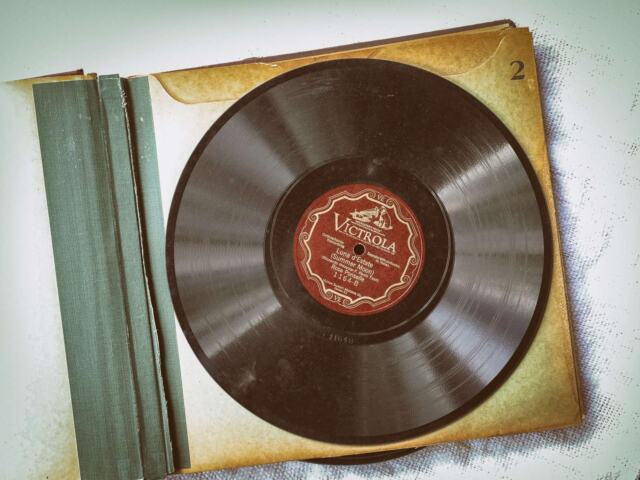
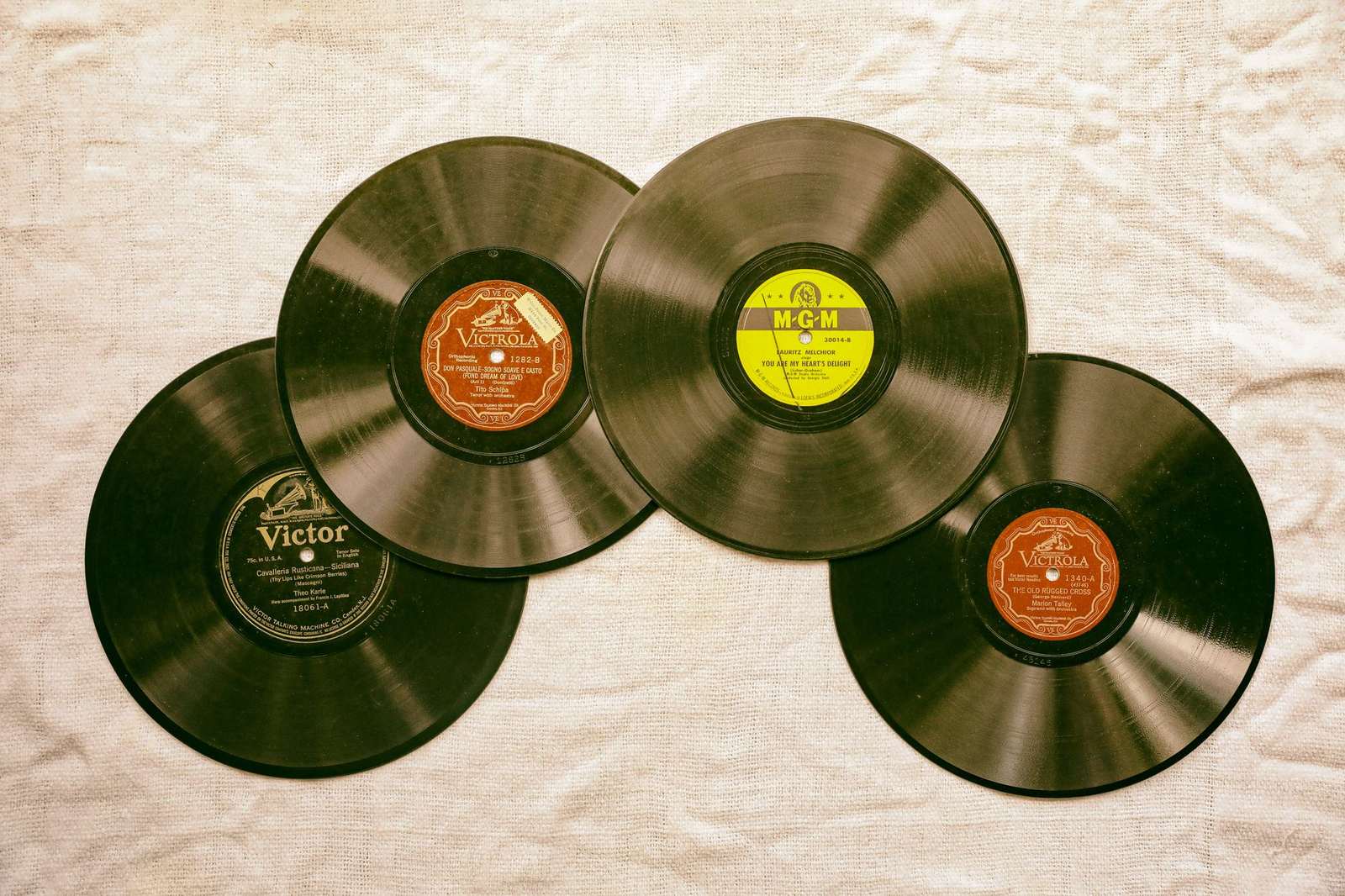
Every disc tells you something before it is played. The paper label, the catalogue number and the markings scratched into the shellac near the centre can all be compared with a discography.
Write down what you see and keep a simple record of each purchase. A tidy notebook or spreadsheet of label wording, numbers, condition and the seller’s description makes it easier to spot patterns, and it protects you from buying the same disc twice.
- Label text and any recording title spelled out in full.
- Catalogue and matrix numbers, which you can check against a database.
- Whether the disc is single-sided or double-sided.
- Visible damage: cracks, chips, warping and scratches.
Be wary of any seller who promises rarity without giving numbers you can verify. If you cannot confirm a claim in a discography, treat it as unproven and ask for photographs of both sides.
Prices vary widely and depend on condition, so look at several sold listings and at reputable dealers before you decide what to pay. This site does not give valuations, and it cannot tell you what a particular disc is worth.
Condition, playback and care
Shellac discs are brittle and easily scratched, so handle them by the edges and store them upright in clean sleeves. Check for cracks, chips and deep scratches in good light before you buy.
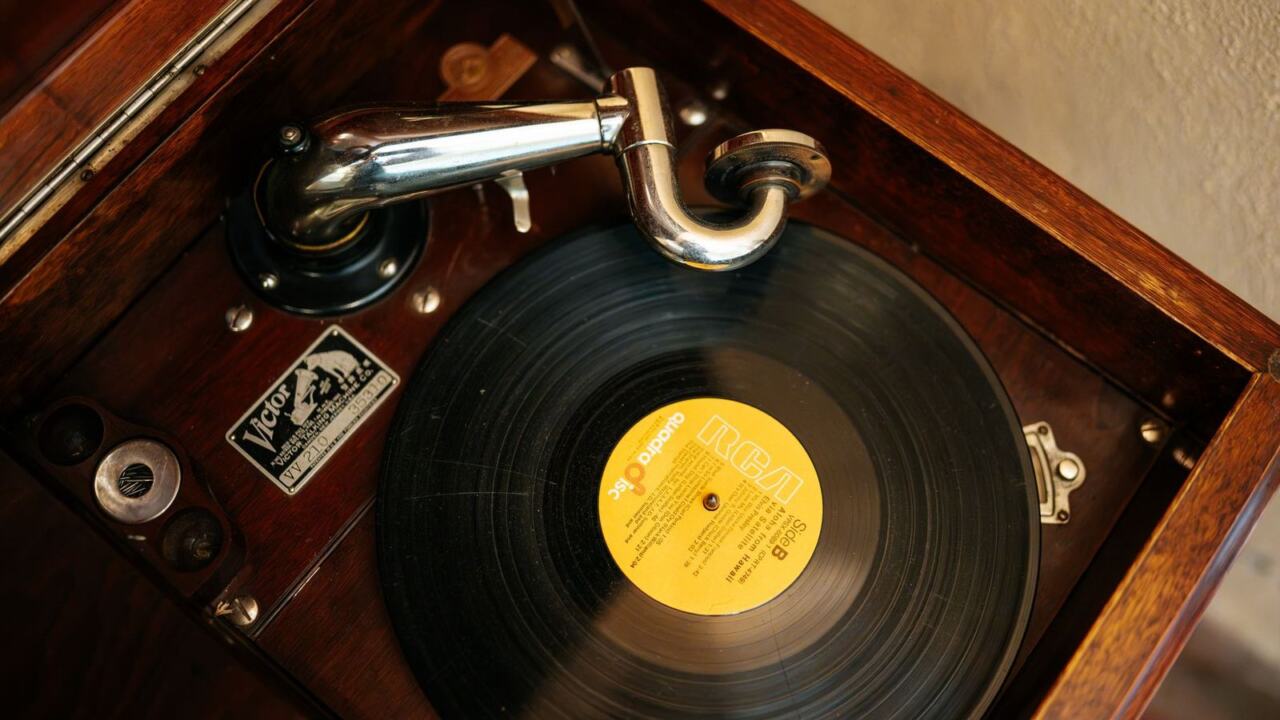
Playback needs care too. A worn or incorrect stylus can damage grooves, so ask a specialist in historic discs about the right equipment before you play a valuable record.
- Keep discs away from heat and damp.
- Do not stack them flat.
- Keep the paper sleeves and any original covers, as they are part of the item’s history.
Why his fame outlived him
After the tenor’s death in 1921, aged just 48, his commercial phenomenon took on an unprecedented dimension, according to The Conversation. His voice could no longer be heard on stage, but it had been immortalised in recordings.
For a collector, that means demand is not new. Caruso discs have been bought, kept and passed on for generations, which is why so many survive and why condition varies so much.
It also means a modest, well-researched collection can be satisfying. You do not need the earliest discs to enjoy hearing how a great tenor sounded to listeners a century ago.
Building context around the discs
Caruso’s records were part of a wider world of stage and print. Some collectors add period programmes and posters, and our guide to vintage opera posters collecting covers that side.
Others like the theatre-going objects of the era, and our note on antique opera glasses value looks at those. Caruso died in 1921, aged 48, and his fame only grew afterwards, so material from across his career and after it can tell the story.
Common mistakes beginners make
One error to avoid is paying for a name rather than a disc. Caruso’s fame means his name appears on many items, so read the label and check the details before you pay.
- Assuming old-looking means original: reissues are common.
- Ignoring condition because the title is exciting.
- Playing a disc on unsuitable equipment and damaging the grooves.
- Skipping the research and buying duplicates.
Go slowly, ask questions of experienced collectors and dealers, and enjoy the listening as much as the hunt. The story of that April 1902 morning in Milan is a good reminder of why these discs exist at all.
Frequently asked questions
When did Caruso first record?
Show answer
The Milan session described by The New World took place on April 11, 1902, after Gaisberg heard him at La Scala.
How many arias did Gaisberg offer him to record?
Show answer
According to The Conversation, Gaisberg offered Caruso the chance to record ten arias in 1902.
Are all discs with Caruso’s name original?
Show answer
No. Many reissues exist, so check the matrix and catalogue numbers against a discography before you assume a disc is an early pressing.
Can I play an old shellac disc on a modern turntable?
Show answer
Not safely without the right stylus and speed. Ask a specialist in historic discs before you play a valuable record.