Wondering what your inherited pair is worth? Antique opera glasses value depends mainly on the maker’s mark, the materials, the optics and the condition of the finish, not on age alone.
This guide is part of our wider look at antique music collectibles.
| Item | Value |
|---|---|
| First binoculars from two parallel telescopes | 1608, by the Dutch optician Hans Lipperhey |
| London advertisement mentioning opera glasses | As early as 1730 |
| First binocular opera glasses, Vienna | 1823 |
| Main types | Monocular and binocular |
| Maker mark to look for on Lemaire pieces | The Lemaire bee or Fr/Fabt mark |
| Lens condition that supports value | Free of chips and heavy haze |
These dates and checks come from the Gilai Collectibles guide and the Appraisily guide to Lemaire opera glasses. Both are dealer or appraisal-service pages, and figures can change, so check the sources before you rely on them.
A short history of opera glasses
The story starts with the telescope. The first binoculars made of two parallel telescopes were created in 1608 by the Dutch optician Hans Lipperhey, according to the Gilai guide. Those early instruments were far from the elegant theatre accessories collectors prize today.
Opera glasses are mentioned in a London advertisement as early as 1730. These first ones were monoculars, which means small Galilean telescopes held to one eye. They were made for watching indoor performances, where a full-size telescope would be useless.
Binocular versions came later. The same guide says it was not until 1823 in Vienna that the first binocular opera glasses were invented and put into use. From then on, the pair held by a small handle or fixed to a bridge became the familiar shape in theatres and opera houses.
For anyone interested in historic opera, this matters. These objects were part of the audience’s experience of an evening at the house, and many were given as gifts and tributes. Inscriptions found on many of them record that use.
Types, materials and decoration
There are two main types of opera glasses: monocular and binocular. Monoculars are generally the older form, while binoculars on a bridge became the standard for fashionable pairs.
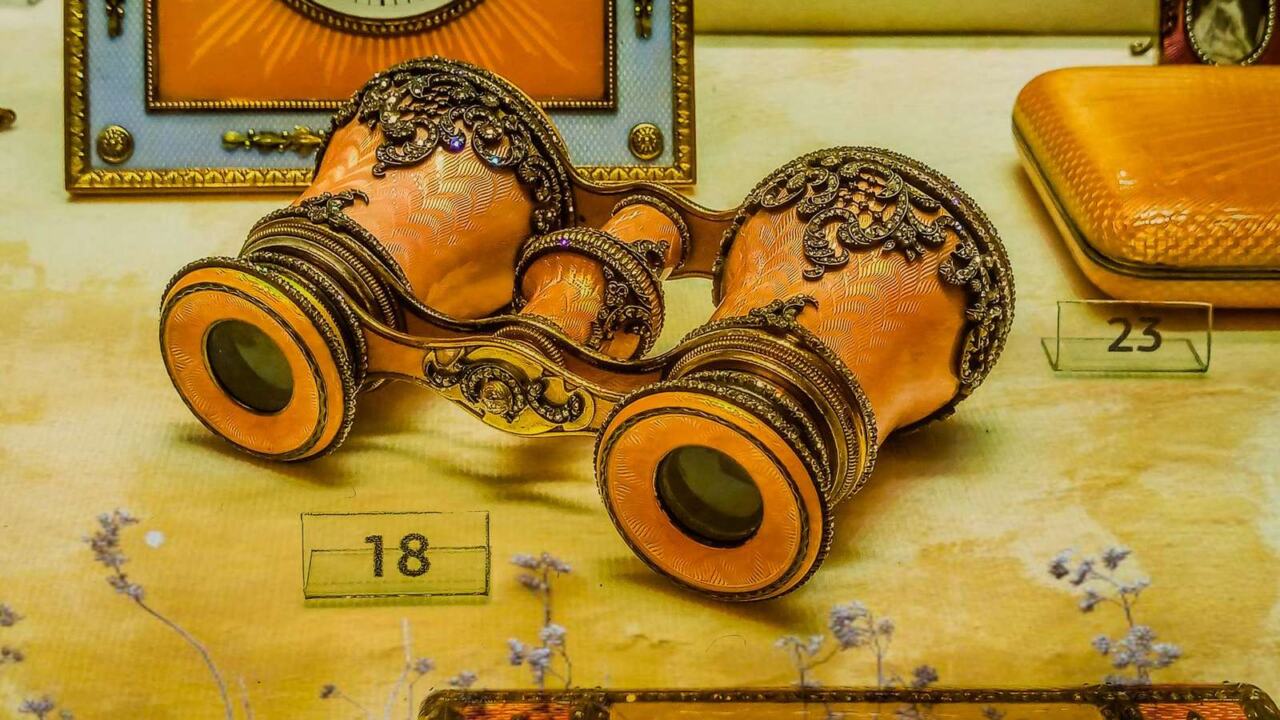
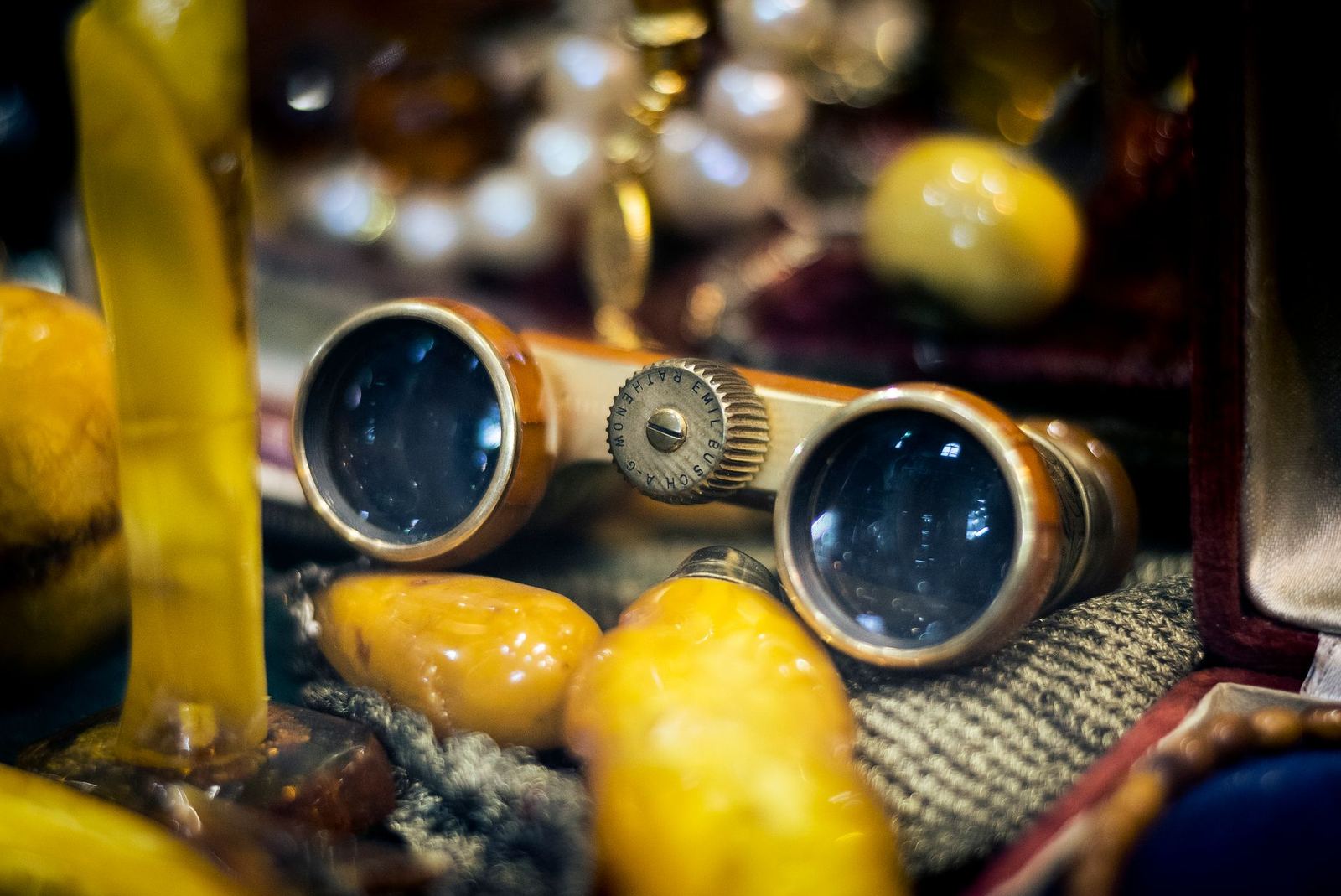
Decoration is where much of the character, and much of the price difference, comes from. The Gilai guide notes that the body was decorated with gems, enamel, ivory and other decorations. Mother-of-pearl panels over gilt brass are among the best-known styles, and Parisian makers such as Lemaire are widely associated with them.
When you look at a pair, note the following:
- The body material: brass, gilt, mother-of-pearl, enamel, ivory or another covering.
- The decoration: plain, engraved, painted or set with stones.
- The focus mechanism and the bridge between the two barrels.
- Any signature on the eyepieces or barrels.
- Whether the original case survives.
Material rules can also apply. Ivory and some shell materials may be regulated when you sell or ship across borders, so check your local law before listing a piece.
What affects antique opera glasses value
No single price list covers these objects. Value is built from several factors that a buyer will weigh together, and the strongest pieces score well on most of them.
Maker and marks
A recognised maker is the first thing buyers look for. The Appraisily guide suggests starting with the Lemaire bee or Fr/Fabt mark, retailer engraving and any country-of-origin wording. Photograph every mark clearly, because a pair signed by a known Paris maker is easier to sell than an anonymous one.
Materials and decoration
Rich materials and fine decoration usually raise interest. Intact enamel, undamaged mother-of-pearl and crisp engraving are all positives. Chips, lifted panels and cracks cost money, and the Appraisily guide says that replaced panels reduce value.
Finish and cleaning
Resist the urge to polish. Plated or lacquered finishes can mellow to a warm patina, and the same guide warns that a uniform mirror-bright finish on an “antique” can indicate over-polishing or reproduction. It also states that over-polished brass reduces value.
Optics
Working optics matter because buyers often want to use a pair, not only display it. The Appraisily guide looks for lenses free of chips and heavy haze. Hold the glasses up to a window and look for scratches, cloudiness and misalignment between the two barrels.
Case, provenance and sold comparables
An original case, a family history or an inscription linking the pair to a known owner can all add appeal. The most reliable guide to price is recent sold-comparable evidence, meaning what similar pairs actually sold for, not what dealers are asking. Asking prices on retail sites are often higher than the price a pair finally fetches.
How to check and document your pair
A little careful work before you sell or insure will pay off. Follow these steps in order.
- Clean only with a dry, soft cloth, and do not polish metal or wash enamel.
- Photograph both sides, the eyepieces, the bridge, the focus wheel and any signature.
- Note any chips, repairs, replaced panels, hazy lenses or missing parts.
- Keep the case and any paperwork, including inscriptions or letters.
- Search sold listings and auction results for matching makers, materials and condition.
Keep your expectations realistic as well. Many surviving pairs are decorative rather than rare, so condition, a clear signature and a complete set make the difference between an ordinary pair and one that collectors compete for. Patience helps too, because the right buyer for a fine pair may not appear at the first sale.
This site is an independent educational resource and does not value items, buy or sell. For a firm figure, a qualified independent appraiser or a reputable auction house is the right route.
Opera glasses among other opera collectibles
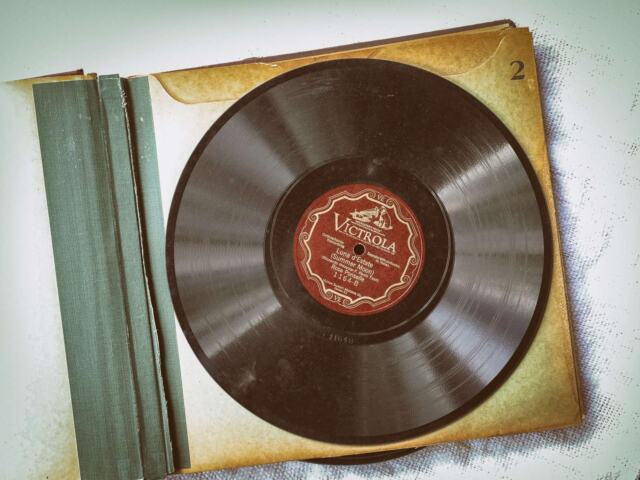
Opera glasses sit alongside programmes, fans, scores and recordings as souvenirs of the theatre. If recordings interest you, our notes on caruso records collecting show how condition and rarity shape value in a different field.
The same logic applies to shellac discs, and our guide to what 78 rpm records worth covers can help you compare. For opera glasses, the Appraisily guide says over-polished brass or replaced panels reduce value.
Frequently asked questions
How can I tell if opera glasses are really antique?
Show answer
Look for a warm, uneven patina rather than a uniform mirror shine, since the Appraisily guide says a mirror-bright finish can point to over-polishing or reproduction. Check for marks, engraving and signs of age on the screws and focus wheel.
Are monocular or binocular opera glasses older?
Show answer
Monoculars came first. According to the Gilai guide, the opera glasses mentioned in a London advertisement as early as 1730 were monoculars, and binocular opera glasses followed in Vienna in 1823.
Does a case add to the value?
Show answer
An original case is one of the points the Appraisily guide lists among its quick checks, and buyers generally like a complete set. A missing case does not make a pair worthless, but it removes a point in its favour.
Should I clean or polish my opera glasses?
Show answer
Avoid it. The Appraisily guide says over-polished brass reduces value, so it is wise not to polish the brass.
Where can I get a reliable price?
Show answer
Compare recent sold results for similar makers, materials and condition, and consider an independent appraiser. Asking prices are a weaker guide than sold prices.