Found a box of old discs in the attic and wondering what your 78 rpm records worth is? Most are worth a few dollars. A small share, in clean condition on the right label, can bring far more.
This guide is part of our look at antique music collectibles.
| Item | Value |
|---|---|
| Caruso “Over There” Victor disc | Over $15 at auction; a buck in a thrift shop |
| Shiny NZ-pressed Elvis record | Could be worth up to $50 |
| Shiny NZ-pressed Elvis record with very scarce original picture sleeve | Possibly over $300 |
| Ordinary people selling 78s | Rarely in a position to get the highest prices |
| Classical orchestral music in book sets | Often found in sets in books; of no value |
The figures come from collector write-ups at Tim Gracyk’s value page and 78rpm.nz. Prices change and vary by market, so check the sources before you rely on them.
What are 78 rpm records worth in practice?
No. Shellac discs were made cheaply and in huge numbers, so most turn up in thrift shops for very little. One collector describes a Victor disc on which Enrico Caruso sings “Over There”: one bidder at auction might pay over $15 while another finds the same record in a thrift shop for a buck, per Gracyk’s value page.
That is a useful reminder that even a famous name can be cheap. Fame does not equal scarcity, and the same site notes that ordinary sellers are rarely in a position to get the highest prices.
A New Zealand collector site is blunter: in general, if you have heard of the artist, the record is probably worthless. It adds that many other artists are both famous and frequently found, but have no residual value, as set out in its value guide.
The reverse is also true. Scarcity, not celebrity, is what collectors chase, so an unfamiliar name on an unusual label can be the better find.
What makes a 78 valuable?
Value comes from a mix of rarity, demand and condition. Use this checklist when you sort a box:
- Label: collectors pay high prices for anything in good condition from labels such as Vogue, Black Patti, Black Swan, Autograph, Berliner and Fonotipia.
- Artist and style: early jazz and blues players on period records can be worth something, but you will rarely see them in the wild.
- Condition: clean, unscratched and uncracked discs sell; damaged ones rarely do.
- Sleeve or box: a careful owner usually means a better disc.
Specialist price guides usually base their prices on near-pristine copies. Most records you find are not in that state, so expect to get less than a guide shows.
Where do opera and classical records fit?
Here the news is mixed. The New Zealand guide says classical orchestral music, often found in book-style sets, is of no value, and that classical vocalists on the larger discs are generally of little value too, according to its value guide.
That matters for opera lovers, because a shelf of famous arias is exactly the kind of box that tends to be common. Sentimental value is real, but it rarely turns into a high sale price.
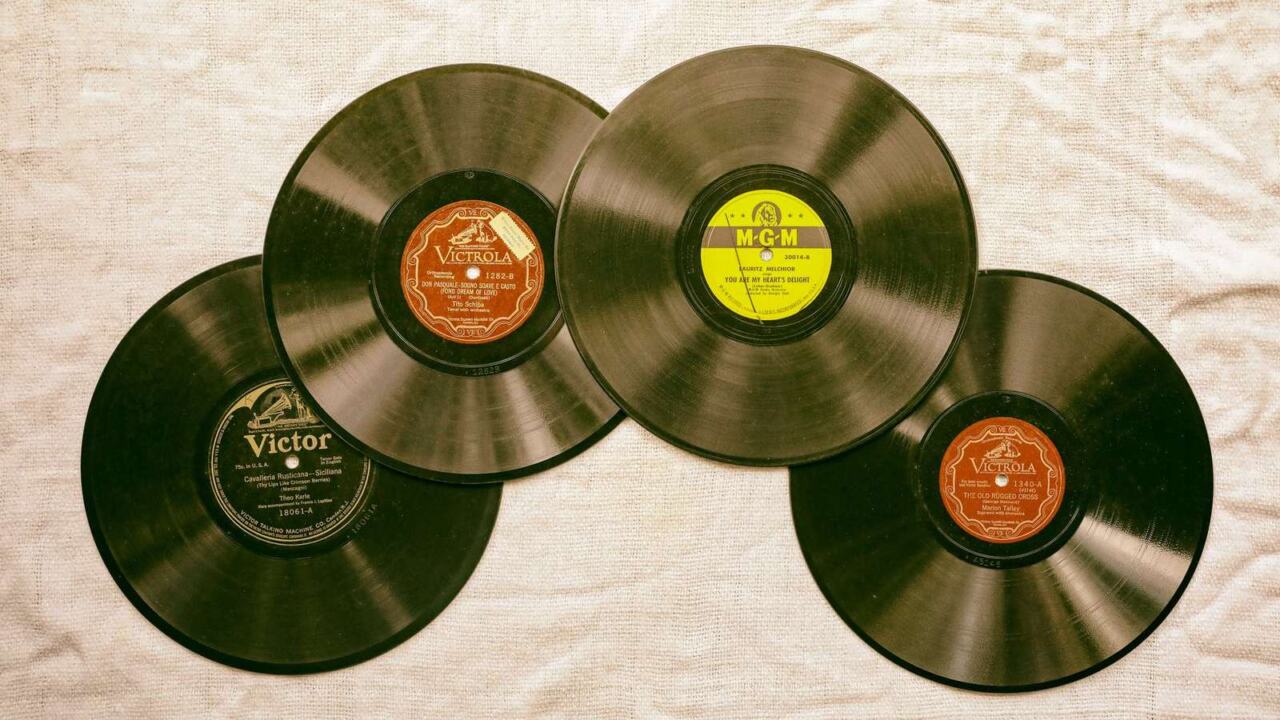
Still, it is worth checking labels. The New Zealand guide lists pre-war labels such as Operaphone, Vocalion and Victor as hints that something exciting may be in the box.
If you collect for the music rather than the money, the history of the format helps. Our piece on antique gramophone history explains the machines that played these discs.
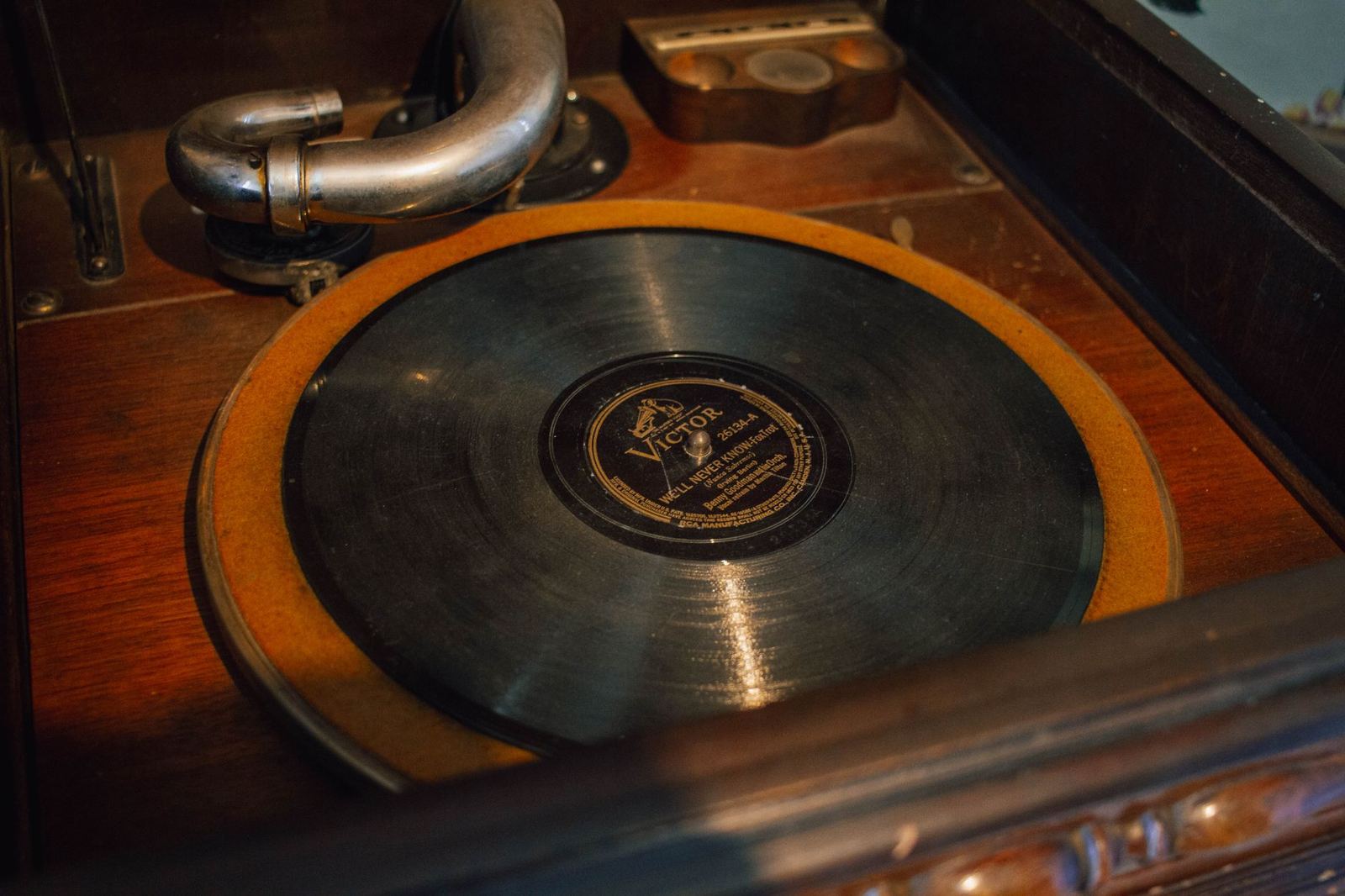
How condition changes the price
Condition matters a great deal. The 78rpm.nz guide says the value of old records is heavily dependent on their condition, and Gracyk says he often asks early in a negotiation whether the records are clean. Both are on their pages: 78rpm.nz and Gracyk.
Shellac is brittle. Look for cracks, deep scratches, chips at the edge and warping before anything else.
Storage matters too. Discs without sleeves are likely to be damaged by rubbing against each other, so a sleeveless box is highly likely to be valueless, according to the New Zealand guide. Keep discs upright in sleeves rather than stacked flat, and away from heat and damp.
Sleeves, boxes and what the packaging tells you
Packaging is a quick clue before you play a single disc. According to the New Zealand guide, records in neat sleeves have been cared for over a long period, which implies some residual value and a likelier better condition.
The same page says records bearing matching, non-generic sleeves are a better bet, and original sleeves on special records are a huge bonus. A plain brown paper wrapper tells you much less.
- Neat, matching sleeves suggest a careful owner.
- Sleeveless piles suggest rubbing and scuffs.
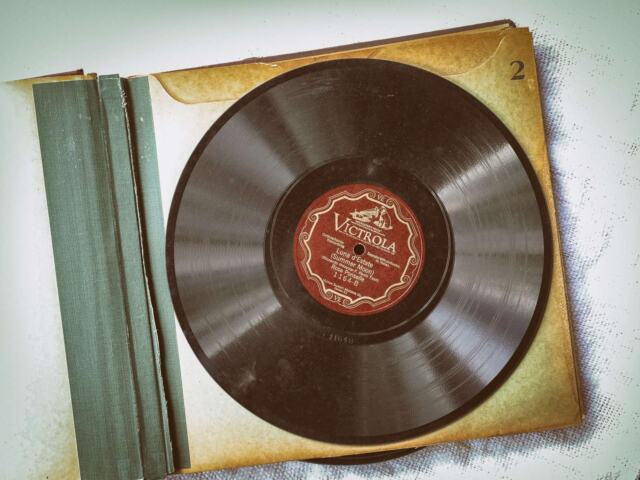
- Album-style books of discs usually hold common classical sets.
None of this replaces looking at the disc itself. Treat the packaging as a first filter, then judge each record on its own.
Common mistakes when pricing a collection
New sellers tend to make the same errors. Knowing them saves time and disappointment.
- Trusting asking prices. Online listings show what sellers hope for, not what buyers pay.
- Assuming guide prices apply. Printed guides assume near-pristine copies, so your scuffed disc sits well below the number in the book.
- Ignoring the obscure. The unfamiliar label or artist gets set aside, when it may be the scarce one.
- Selling the whole box at once. A few good discs hidden in a common batch can be worth separating out.
The New Zealand guide makes a related point: well-known price guides base their valuations on near-pristine copies, which most records you find will not be. A guide is a starting point, never a verdict.
Patience helps most of all. Collectors want specific records, and the right buyer for a particular disc may not appear on the first listing.
How can you check and sell what you have?
Work through these steps before you sell anything:
- Sort by label, then by artist, and set aside anything on the labels named above.
- Check each disc for cracks and heavy wear under a bright light.
- Compare against recent completed sales, not asking prices.
- Contact specialist collectors for the better discs. Gracyk says you can get decent prices for good, clean 78s if you patiently contact various people who collect old records.
The format itself is an old one. According to the National Jazz Archive, 78 rpm became the de-facto standard by 1910, and shellac was the main plastic for records until vinyl arrived in the 1940s.
Keep your expectations modest and your notes tidy. A simple list of label, artist, title and condition for each disc makes it easy to compare against completed sales and to answer a buyer’s questions quickly.
If your interest runs wider than discs, you may also enjoy our guide to antique opera glasses value.
Frequently asked questions
Are all old 78s worthless?
Show answer
No, but most are worth little. Value depends on label, artist, rarity and condition.
Does a famous singer make a record valuable?
Show answer
Not by itself. A Caruso disc can sell for a dollar in a thrift shop, per Gracyk’s value page.
Do cracks matter?
Show answer
Yes. Cracked or badly worn shellac discs lose much of their value, and the 78rpm.nz guide calls condition critical.
Should I clean a record before selling?
Show answer
Only gently. Collectors ask whether records are clean, so careful handling helps, but avoid anything that could scratch the shellac.