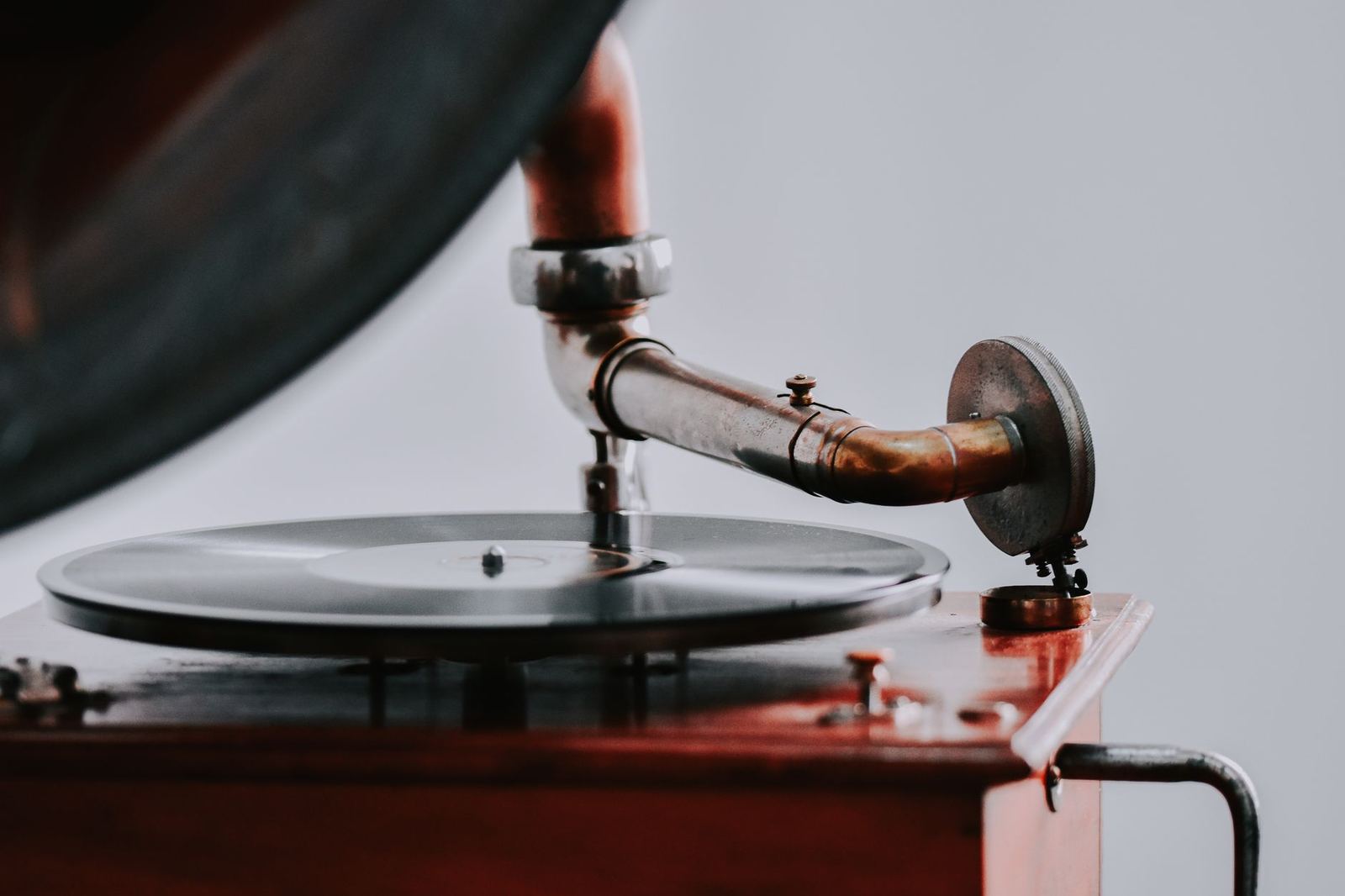
Wondering where antique gramophone history begins? Emile Berliner’s flat-disc Gramophone, developed in 1887, gave the world records you could press and sell, and later let opera voices like Caruso’s into ordinary parlours.
This guide sits within the wider subject ofantique music collectibles, and it covers the machine, the people and the singers behind it.
| Item | Value |
|---|---|
| Inventor of the Gramophone | Emile Berliner |
| Disc method developed | 1887 |
| Patent number | #372,786 |
| German licence to Kämmer & Reinhardt | April 25, 1890 |
| First commercial discs delivered to the trade | From early September 1890 |
| Kämmer & Reinhardt licence term | Three years from July 1, 1890 |
Figures come from the Lemelson-MIT profile of Berliner and the Cylinder Archive study of the first disc records. Dates and details in the record can change as research continues, so check the sources before you rely on them.
Antique gramophone history: who invented it, and how did it work?
The gramophone was the work of Emile Berliner. According to the Lemelson-MIT profile, “In 1887, he developed a method for mapping out sounds in a spiraling, wavering groove etched into a flat disk (first of glass, then of zinc, then of plastic).”
The flat disc mattered because it became the basis of a commercial product. The Lemelson-MIT profile says Berliner sold the rights to his Gramophone to the Victor Talking Machine Company, “thereby providing them with their first major product.”
Berliner’s choice of material also changed over time. The profile lists glass first, then zinc, then plastic, which is why surviving early discs can look and feel very different from one another. When you handle one, treat the material as a clue to its age, and avoid guessing from the label alone.
The same profile says Berliner “sold the rights to his “Gramophone” (patent #372,786) to the Victor Talking Machine Company (later RCA), thereby providing them with their first major product.” It also notes that the dog listening to “his master’s voice” became his trademark, later adopted by RCA.
The first discs: a German toy-factory story
The first commercial discs were not made in America. The Cylinder Archive reports that on April 25, 1890, the small company Kämmer & Reinhardt, founded in 1885 in Waltershausen, Thuringia, “concluded a license agreement” with Berliner.
The contract was limited to three years from July 1, 1890. It included the whole world, with the exception of the United States of America and Canada.
The study’s author writes, “My impression is” that the first commercial discs, delivered to the trade from early September 1890, were pressed from both celluloid and hard rubber.
These early items are small and light, and they look nothing like a grand parlour machine. If you meet one, the Cylinder Archive notes that Berliner celluloid discs are easily distinguishable by their light yellow colour.
Hand cranks, lawsuits and a new company
Berliner’s early American machines were modest. CAPS says he opened a retail store in Baltimore late in 1894 to market his hand-driven machines and their 7-inch celluloid discs. The same society writes that “a hand driven mechanism was more of a novelty when compared with the more sophisticated Edison or Columbia products of the period.”
Things improved when Eldridge Johnson designed a proper motor. CAPS credits Johnson with designing “a proper working motor that became the basis of the most recognized talking machine in history”, and says sales were off to an impressive start with the “Improved Gramophone” of 1897.
Then the courts intervened. Here is the sequence CAPS describes:
- In 1898, the Columbia/Graphophone group launched a patent suit against Berliner’s and Seaman’s companies.
- Frank Seaman, who marketed the machines, formed a rival firm and built the Zonophone.
- In 1900, Seaman accepted a consent decree admitting infringement of Columbia’s patents, giving Columbia a permanent injunction against Berliner and Johnson.
The CAPS account adds that this was most serious for Johnson, who had a large stockpile of machines and was $50,000 in debt for a new manufacturing plant.
Seaman’s story did not end there. CAPS says he made a deal with Columbia that allowed him to sell his Zonophones under the protection of Columbia’s patents. The lesson for a collector is that several brands of the era trace back to the same patent fights, so a maker’s name alone rarely tells the full story of a machine.
How the gramophone brought opera into the home
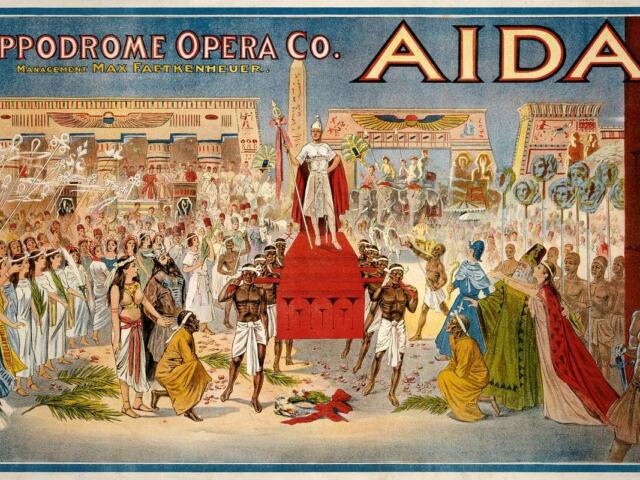
Opera was once a live event tied to a theatre and a ticket. A disc let a listener replay a single aria whenever they liked, and the singers who recorded early became the first stars of the new medium.
No singer is more tied to that moment than Enrico Caruso. His “Vesti la giubba” from Leoncavallo’s Pagliacci was recorded on November 30, 1902, and again in 1904 and on March 17, 1907, according to the Andante Moderato page that lists the three versions.
The same page says Caruso “was the first gramophone star to sell more than a million copies with his 1904 recording”. That is one source’s statement, so attribute it to that page if you repeat it.
Reading the story in an object
A surviving machine is a small piece of this history. A crank-driven player with a small disc suggests the early, novelty phase, while a more refined motor points to the years after Johnson’s design work.
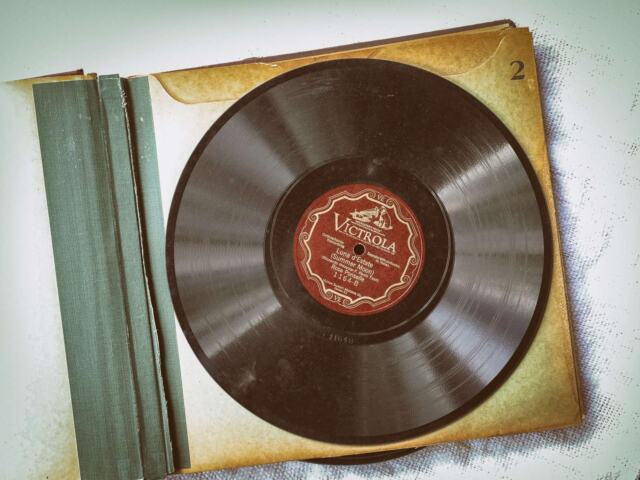
Separate the machine from its records. Early discs, such as the light yellow celluloid pressings or the hard rubber ones, belong to the first years, and opera discs from Caruso’s sessions belong to the later boom. Keep notes on where each piece came from, because provenance often explains more than the badge on the case.
Do not assume that a famous trademark means a rare object. Judge condition, completeness and the recording itself before you decide what something is worth.
What this means if you collect
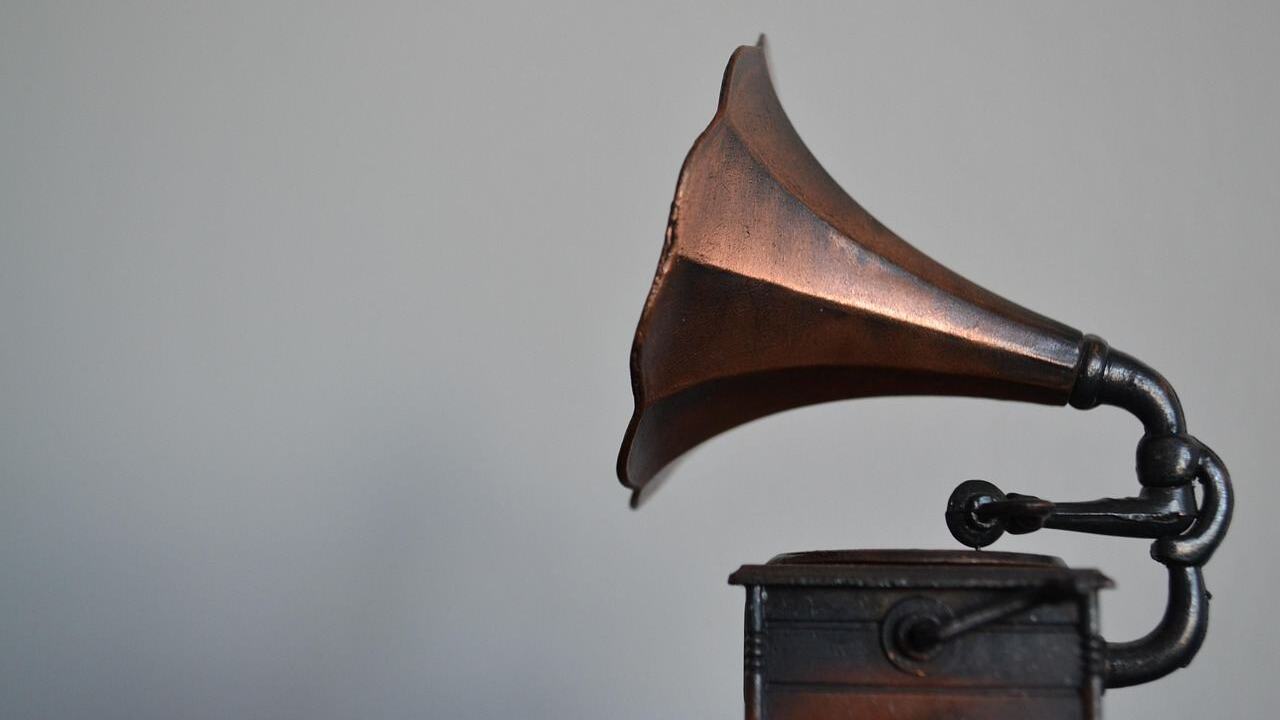
Gramophone history gives you a way to read what you find in an attic or at a market. The type of machine, its horn, its motor and the discs beside it all point to a period in the story above.
- Machine: a hand-cranked, novelty-style player belongs to the early years, while a machine with a stronger motor reflects Johnson’s improvements.
- Discs: check label, material and condition before assuming anything about age.
- Opera records: the singer and the recording date matter more than the title alone.
For prices, a guide to78 rpm records worth explains what affects value. If your find plays tunes by a comb and cylinder rather than a disc, a page on antique music box identification will help you tell the two apart.
Frequently asked questions
Who invented the gramophone?
Show answer
Emile Berliner. The Lemelson-MIT profile says he developed his flat-disc method in 1887 and that his Gramophone carried patent #372,786.
When were the first commercial gramophone discs sold?
Show answer
The Cylinder Archive study says the first commercial discs were delivered to the trade from early September 1890, made under licence by Kämmer & Reinhardt in Germany.
Was Caruso’s “Vesti la giubba” the first million-seller?
Show answer
According to Andante Moderato, Caruso’s 1904 recording made him the first gramophone star to pass a million copies sold. Credit that source if you repeat the claim.
What was the dog and gramophone picture?
Show answer
It was Berliner’s trademark, a dog listening to “his master’s voice” from a gramophone, later adopted by RCA, according to the Lemelson-MIT profile.