Wondering why Baroque pieces sound so distinct? The core baroque music characteristics are a driving bass line, sharp contrasts in volume, decorated melodies and strong drama. Once you know what to listen for, the style is easy to spot.
This guide is part of our look at classical music periods, and it focuses on the sound of the Baroque.
| Feature | Key fact |
|---|---|
| Era | 1600-1750 |
| Harmonic foundation | Basso continuo (figured bass) |
| Dynamics | Terraced: structural contrast |
| Melody | Ornamented with trills, mordents and turns |
| Opera | Emerged around 1600 in Florence |
| Concerto | Solo concerto dominant by 1750 |
These points come from a Fiveable study guide and a Wikipedia article on figured bass. Dates and labels vary between sources, so check them before you rely on them.
Baroque music characteristics at a glance
The Baroque era is usually dated 1600-1750. That makes it the stretch of Western music history before the style that came to be called Classical.
Baroque music is not one sound. A church cantata, an opera aria and a dance suite differ a lot. But they share habits, and those habits are what your ear picks up as “Baroque.”
The main habits are listed here:
- A constant bass line with chords built on top of it.
- Sudden shifts between loud and soft rather than gradual swells.
- Melodies full of added decoration.
- Strong contrast and a focus on dramatic feeling.
The sections below take each in turn. For the wider story, see the famous classical composers timeline, which places these musicians in order.
Basso continuo: the engine underneath
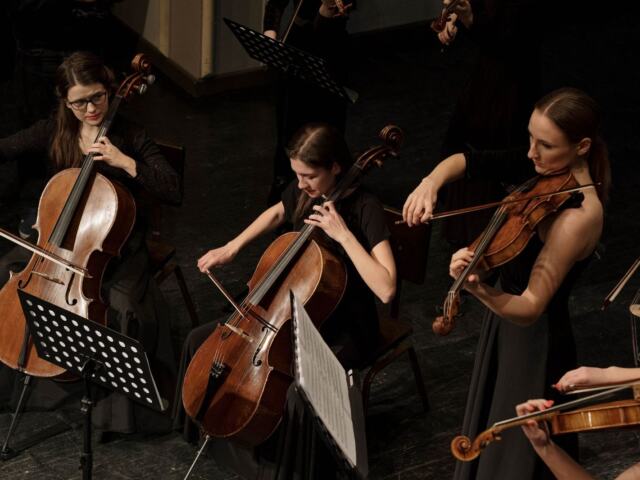
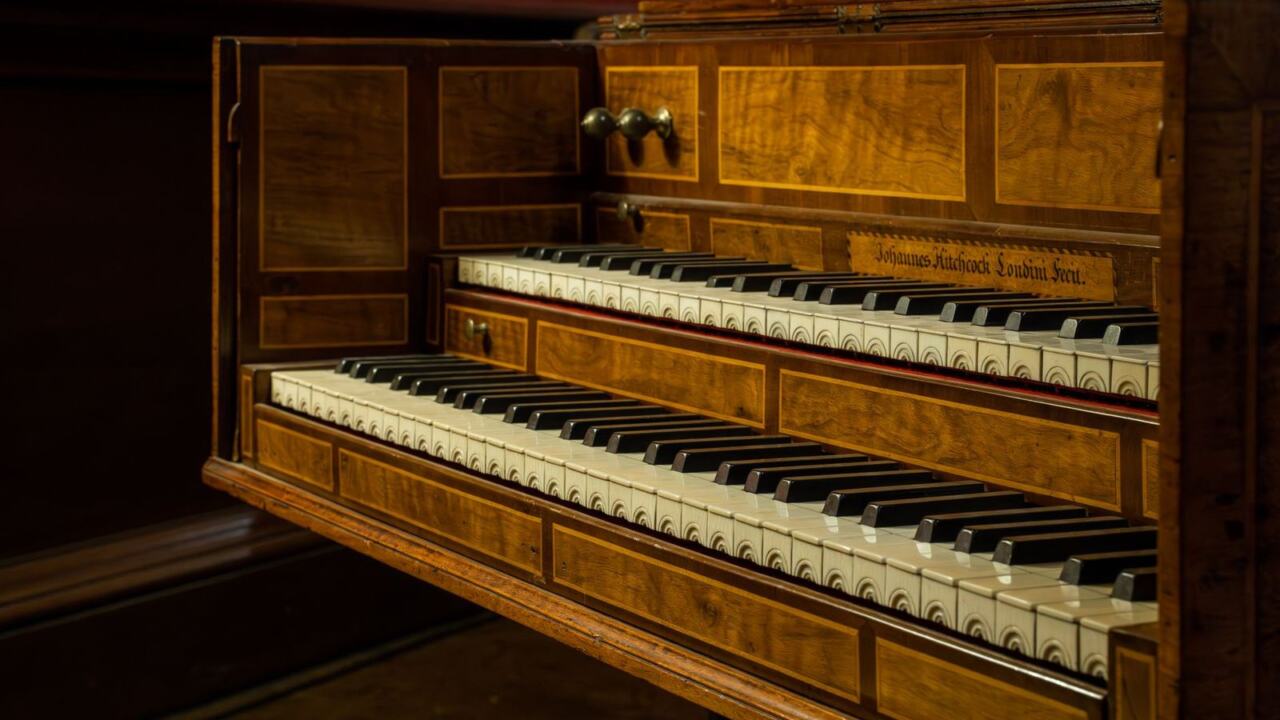
If one thing defines the period, it is the basso continuo. A study guide describes it as a continuous bass line with figures indicating chords, played by a keyboard (harpsichord or organ) and a bass instrument such as cello or bassoon.
Composers wrote the bass line and added numbers, called figured bass. Players then worked out the chords on the spot. Wikipedia notes that composers of the Baroque era seldom wrote out the accompaniment, and that the whole Baroque period is sometimes called the Figured Bass period.
A helpful comparison is modern band music. The same article says a basso continuo is analogous to the rhythm section of present-day jazz and popular bands, and figured bass to their lead sheets.
This habit also shaped how composers worked. They could sketch a bass line and a few numbers, and trust skilled players to turn that sketch into full harmony. It saved paper, and it gave each performance a slightly different colour.
It also tied the players together. Everyone in the ensemble leaned on the same bass line, so the group sounded unified even when the tunes above it wandered.
What it sounds like
You hear a steady, pulsing foundation beneath the tune. The bass moves, the harmony shifts above it, and the music feels pushed forward. When a harpsichord is present, its bright, plucked chords often mark the beat.
Because players filled in the harmony, performances could differ. The notation was a plan, not a full recording of the sound.
Terraced dynamics and the love of contrast
Later music often swells and fades smoothly. Baroque music more often steps between levels, which is called terraced dynamics. A study guide lists terraced dynamics as structural contrast, one of the period’s central ideas.
The same guide says contrasts in dynamics, tempo and timbre mirror theatrical elements. It links this to opera’s influence on all Baroque genres.
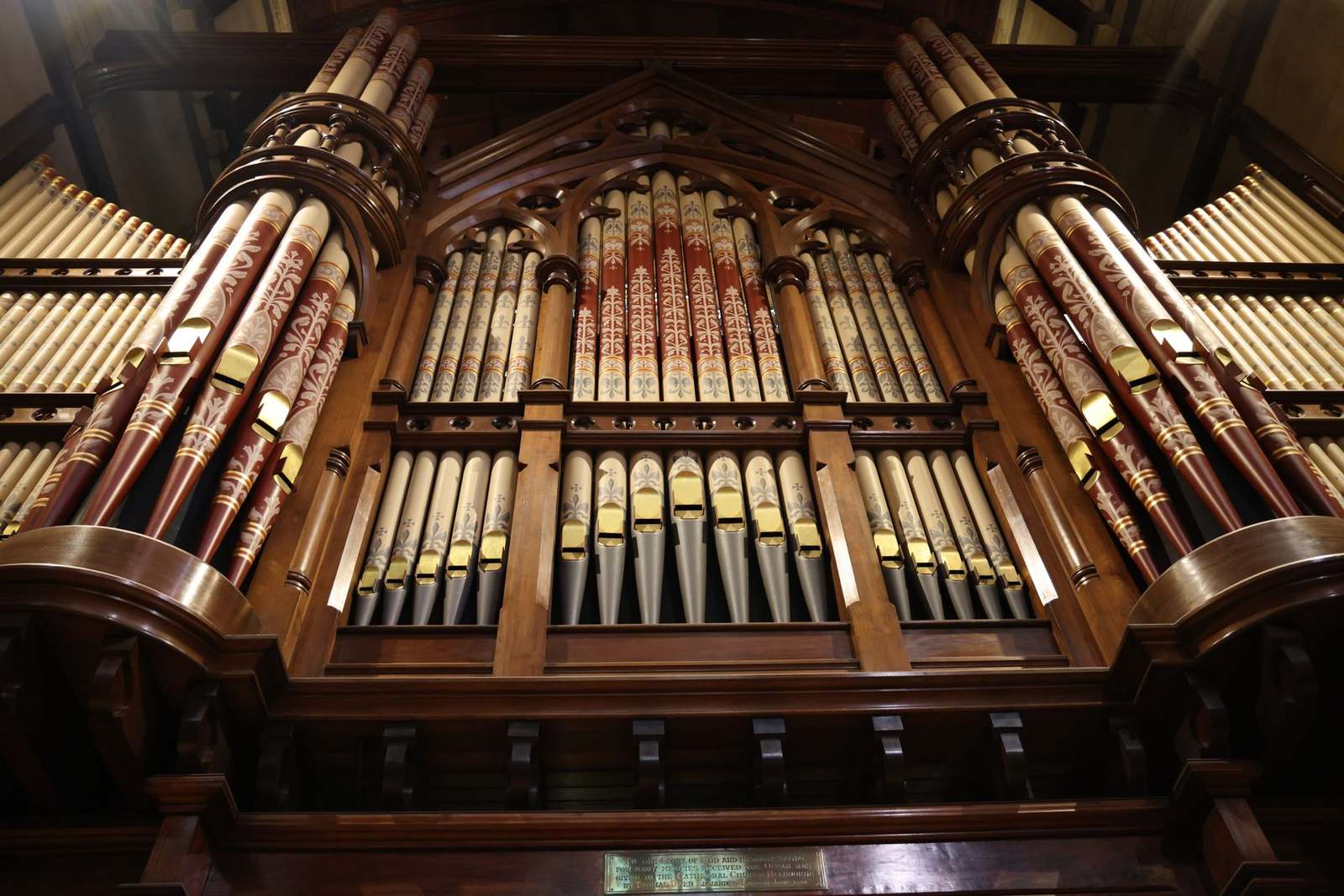
Think of it as light switches rather than a dimmer. A passage plays loud, then drops to a quieter level, and the change itself becomes part of the design.
This sense of contrast ran through the whole style. Fast and slow, solo and group, plain and decorated: the music keeps setting one thing against another.
Contrast in form
Contrast shaped whole pieces, not only volume. The concerto grosso sets a small group of soloists against the full ensemble. The study guide contrasts it with the later solo concerto, which it says was dominant by 1750 and highlights a single virtuoso.
When you listen, notice the “conversation” between small and large groups. That back-and-forth is a mark of the style.
Ornamentation: melodies that do not stay plain
Baroque tunes are rarely left bare. The study guide says embellishments such as trills, mordents and turns were essential to the style, adding expressiveness and brilliance to melodic lines.
Performers were also expected to add ornaments beyond what was written. That made notation a starting point rather than a final product, according to the same guide.
The result is a sound that feels ornate and flowing. Two performances of the same piece could differ, because ornamentation showed off a player’s skill and personal taste.
- Trill: a quick alternation between a note and the one above it.
- Mordent: a short flick to a neighbouring note and back.
- Turn: a small loop of notes around the main note.
Drama, emotion and the rise of opera
Baroque aesthetics prized emotional intensity and dramatic effect. The study guide describes the affections doctrine (Affektenlehre) as the belief that music should arouse specific emotions through deliberate compositional choices.
That drive towards drama fits the birth of opera. According to the guide, opera emerged around 1600 in Florence, combining music, drama, staging and visual spectacle into one art form.
Oratorio grew alongside it. It had a similar dramatic structure, but was typically on religious subjects and was performed without staging or costumes.
Recitative and aria became standard parts of these works. Recitative carries the story forward, and the aria pauses to reflect on a feeling.
The same guide says tension and resolution became primary expressive tools. That creates a narrative arc even in instrumental works, so a piece with no words can still feel like a small drama.
How to hear it for yourself
Do not worry about naming every device. The goal is to hear the pattern: a firm bass, bold changes of level, busy decoration and a taste for theatre. Those four habits explain most of what makes the style feel so different from the music before and after it.
Start with short pieces and listen to them more than once. The first time, follow the overall mood. The second time, pick one feature and track only that.
You do not need training to spot these features. Try this short checklist the next time you listen:
- Follow the lowest line. Is it steady and constant, with a harpsichord or organ filling in chords?
- Listen for the volume. Does it jump between levels instead of sliding?
- Catch the decoration. Do you hear trills and quick turns on long notes?
- Notice the contrast. Do small and large groups answer each other?
If most answers are yes, you are probably hearing Baroque music. To compare it with what came next, read our piece on classical vs romantic music, which shows how the sound changed again.
Frequently asked questions
When was the Baroque period?
Show answer
A Fiveable study guide gives the Baroque era as 1600-1750. Exact dates differ by country and by author, so treat them as a guide.
What is basso continuo?
Show answer
It is a continuous bass line with figures that indicate chords. A keyboard and a bass instrument play it, and the keyboard player improvises the harmony from the figures.
What are terraced dynamics?
Show answer
They are abrupt steps between volume levels instead of gradual change. Study guides treat them as a form of structural contrast in Baroque music.
Why does Baroque music sound so dramatic?
Show answer
The style prized emotional intensity and dramatic effect, and opera influenced every genre. Sharp contrasts and the use of tension and resolution give even instrumental pieces a story-like shape.
Did performers play only what was written?
Show answer
No. Performers were expected to add ornaments beyond the written notes and to realize the harmony from figured bass. The score was a starting point.